Simple Barn Wood Christmas Trees You Can Make in an Afternoon
Stack weathered boards into a rustic tree for your porch or mantel. Here's how to source barn wood and make it your own.
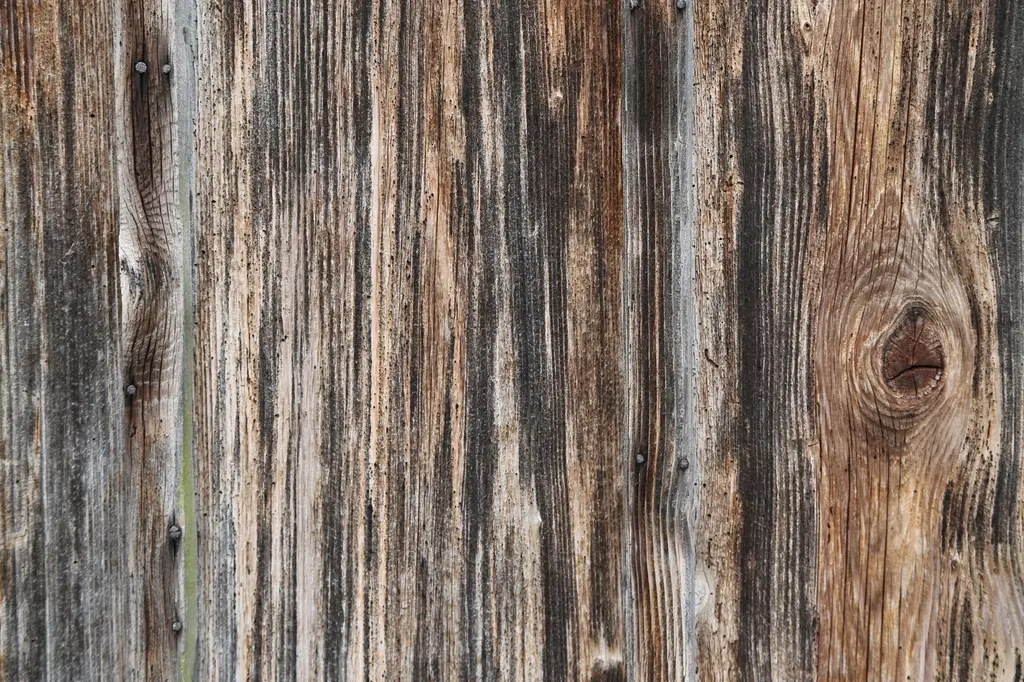
There's nothing quite like the gray, sun-bleached patina of old barn wood. Each board carries decades of weather, and when you stack those boards into a tree shape, you get a holiday decoration with more character than anything you'll find in a big-box store. Barn wood Christmas trees are simple enough for a beginner, take just a few basic tools, and look just as good on a front porch as they do on a mantel.
They're also endlessly adaptable. One tree can be tall and skinny for a narrow entry, another chunky and short for a tabletop. That's why so many folks make custom Christmas trees from barn wood for gifts and craft fairs: no two ever look alike.
What you'll need
Tap to check items off as you gather them.
How to make it
Clean and check the boards
Brush off dirt, cobwebs, and loose fibers with a stiff brush. Pull every nail and staple, and test any painted wood for lead.
Plan your sizes
Decide on the tree height, then plan 5 to 9 boards that shrink in length from bottom to top. For a 3-foot tree, try a bottom board around 24 inches and reduce each by 2 to 3 inches.
Cut the branch boards
Cut each board to length. Leave ends square for a rustic look or angle them slightly for a sharper tree shape.
Attach boards to the spine
Lay the spine down and center each board across it, bottom to top, leaving a small gap or overlapping slightly. Glue and screw from the back so no screws show.
Add the trunk and base
Let the spine extend below the bottom board as a trunk, then screw it to a wood block base for a freestanding tree, or skip the base to hang it.
Finish and top it
Leave the wood natural, whitewash it, or paint it. Add a star or finial at the top and wrap with LED fairy lights if you like.
Finding Barn Wood for Your Trees
Real reclaimed barn wood has become popular, but you can still find it without spending a fortune. Here's where to look:
- Farm sales and barn cleanouts. Farmers taking down an old shed or barn are often happy to let you haul off boards. Always ask first, and never take wood from a property without permission.
- Old fence boards. Weathered cedar or pine privacy fence pickets have a similar silvery look and are easy to find when neighbors replace fences.
- Salvage yards and building reuse stores. Many sell reclaimed lumber by the board or bundle.
- Pallets. If you use pallets, look for the "HT" stamp, which means heat-treated. Avoid pallets stamped "MB," which indicates methyl bromide fumigation, and skip any with stains or spills.
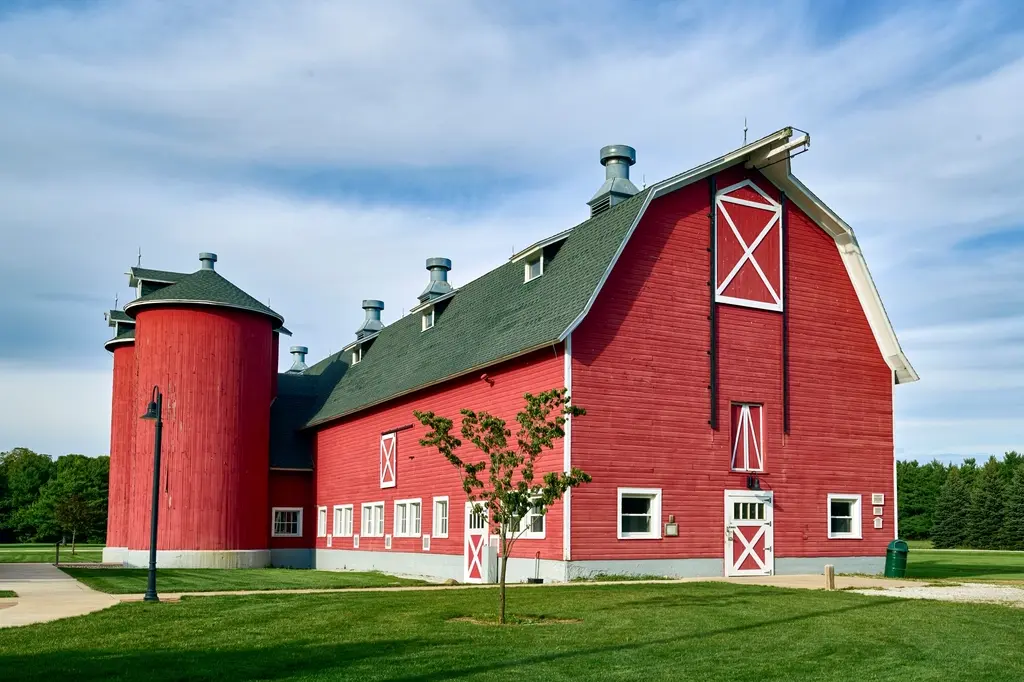
Our guides to antique picking tips and the Christmas barn sale trail will point you toward the kinds of sales where good wood turns up. And if you're curious why so many of those old barns were painted red in the first place, read our post on why barns are red.
Prepping Reclaimed Wood Safely
Old wood is beautiful, but it needs a little care before it comes indoors. Wear sturdy gloves; barn boards hide splinters, rusty nails, and broken staples. Pull every piece of metal you find, and run a magnet over the board to catch buried nail stubs before you cut, since hitting one with a saw blade can be dangerous.
Brush off loose dirt and debris outdoors, then let the boards dry fully. Check for signs of active insects, such as fresh sawdust or small holes with powdery debris. If you're unsure, leaving the boards in a hot, sunny spot for a few days or storing them away from the house for a while before using them is a sensible precaution. If any boards have old paint, especially red or white barn paint, test it for lead before sanding or cutting.
Sizing Your Barn Wood Christmas Trees
Before cutting, think about where the tree will live. A mantel tree usually looks best between 18 and 30 inches tall, while porch trees can go 4 feet or more. Narrow boards (1x4) make a more delicate tree with more "branches," and wider boards (1x6) give a bold, chunky look with fewer pieces.
A simple way to plan is to decide on the width of your bottom board, then subtract the same amount for each board going up. For example, start at 24 inches and subtract 3 inches per board: 24, 21, 18, 15, 12, 9, and 6. That gives you a neat, even triangle. For a more natural look, vary the reductions slightly or let a few boards sit a little off-center.
Leave 3 to 6 inches of the spine showing below the bottom board as a trunk. For freestanding trees, a base block about as wide as one third of the bottom board keeps things stable; taller trees may need a wider base or a small kickstand on the back.
Design Ideas for Custom Christmas Trees
Once you've made a basic tree, it's easy to customize. Some of our favorite ideas:
- Whitewashed. Brush on watered-down white paint and wipe it back for a snowy, Scandinavian look.
- Painted greens. Use a dry brush to add a hint of evergreen color while letting the grain show.
- Stenciled message. Paint "Merry Christmas," "Noel," or a family name down the boards.
- Lit tree. Wrap battery-powered LED fairy lights around the boards, or drill small holes and push the lights through for a starry effect.
- Ornament hooks. Add small cup hooks to each board to hang vintage ornaments or our spindle ornaments.
- Rusty star. Top it with a tin star, an old barn star, or a piece of rusty metal cut into a star shape.
Variations to Try
For a set of porch trees, make three in graduated heights and group them by the front door. For a tabletop forest, cut thin strips and make several trees under a foot tall. A ladder-style tree uses boards spaced apart with gaps between them, which looks lighter and lets you tuck greenery between the rungs. You can also mount a flat tree directly on a large board backer to make a hanging sign.
Outdoors, seal the wood with an exterior clear finish and keep the base off wet ground so it doesn't wick up moisture.
Care and Storage
Barn wood trees are sturdy and store flat in a closet or under a bed. Keep them in a dry place to prevent mildew. If lights are part of the design, stick to LEDs, which run cool, and never leave any lights on unattended. Keep the trees away from fireplaces and candles, since old, dry wood can be quite flammable.
Frequently asked questions
What kind of wood do you need for barn wood Christmas trees?
Any weathered 1x4 or 1x6 boards work, including true barn siding, old fence pickets, or heat-treated pallets. You'll also need one straight board for the center spine and a small block for the base.
How do I clean reclaimed barn wood?
Brush it with a stiff wire or bristle brush outdoors to remove dirt and loose fibers, then let it dry fully. Avoid soaking it. Pull all nails and check for insects before bringing it inside.
Can barn wood Christmas trees go outside?
Yes, if you seal them with an exterior clear finish and keep the base off wet ground. Bring them in during the off-season to help them last longer.
How can I make custom Christmas trees to give as gifts?
Vary the height, finish, and topper for each person. Stenciled names, a family's favorite colors, or a hometown's coordinates painted down the boards make each tree one of a kind.
Is old painted barn wood safe?
Painted barn wood may contain lead paint. Test it with a lead test swab before cutting or sanding, and choose unpainted boards if it tests positive.