The Christmas Barn Sale Trail: A Holiday Shopping Guide
Holiday barn sales are pure magic for vintage lovers. Here's how to find them, what to bring, and the Christmas treasures worth hunting.
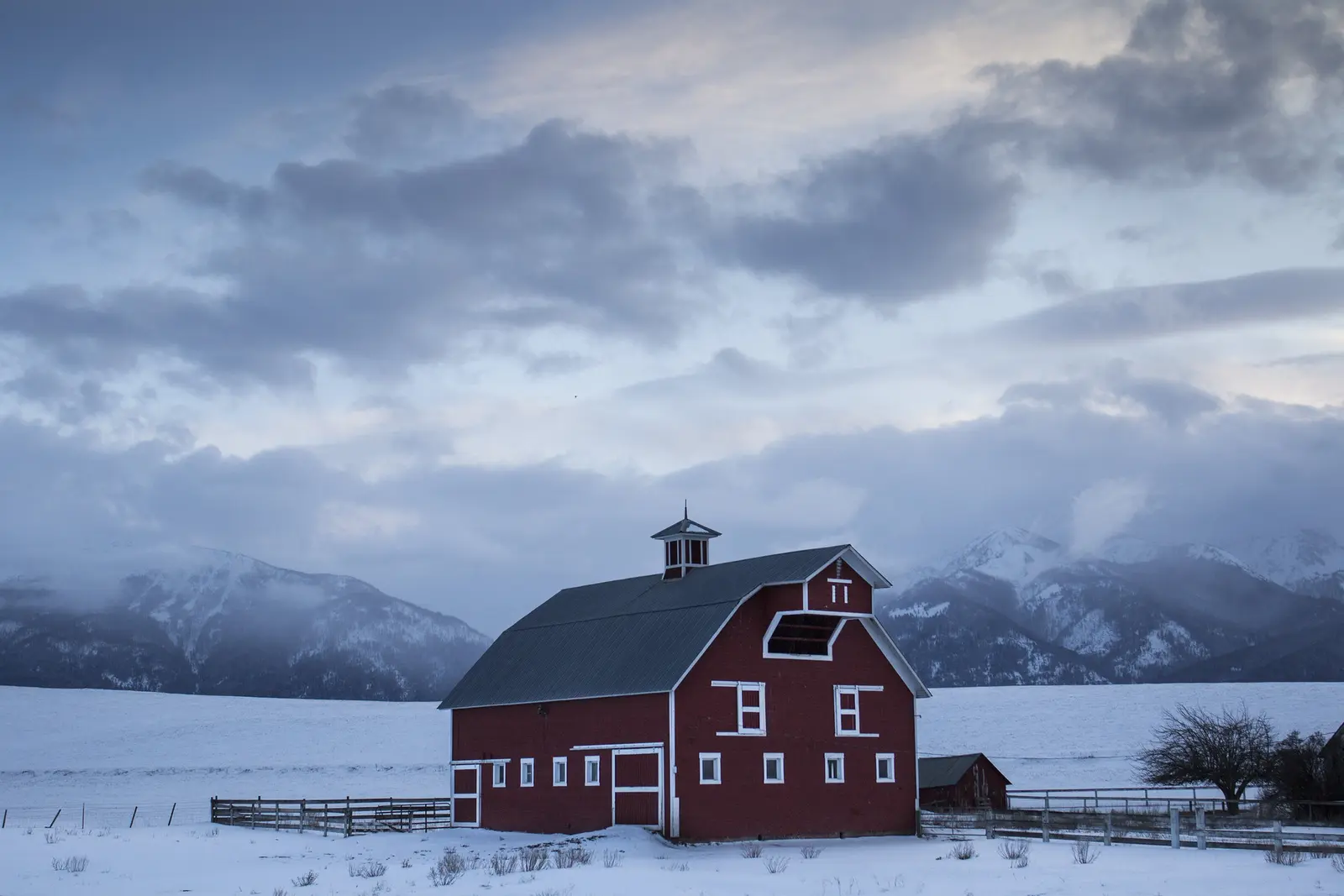
There's nothing quite like a Christmas barn sale. Picture an old barn strung with twinkle lights, tables piled with vintage ornaments and quilts, a woodstove going in the corner, and maybe a cup of hot cider in your hand. Holiday barn sales, junk markets, and pop-up vintage shows have become a favorite tradition for folks who love old things, and planning a day (or a weekend) driving from one to the next is what we call hitting the barn sale trail.
This guide covers how to find Christmas barn sales near you, how to plan a route, what to bring, which vintage holiday treasures to keep an eye out for, and how to shop smart so you come home happy instead of broke.
What Is a Christmas Barn Sale?
A Christmas barn sale is a seasonal market, usually held in a barn, shed, warehouse, or farm venue, where vendors sell vintage, antique, handmade, and repurposed holiday goods. Some are run by a single family who opens their barn a few weekends a year. Others gather dozens of vendors under one roof. Many happen once or a few times a season, typically from early November through mid-December, which is part of what makes them feel special.
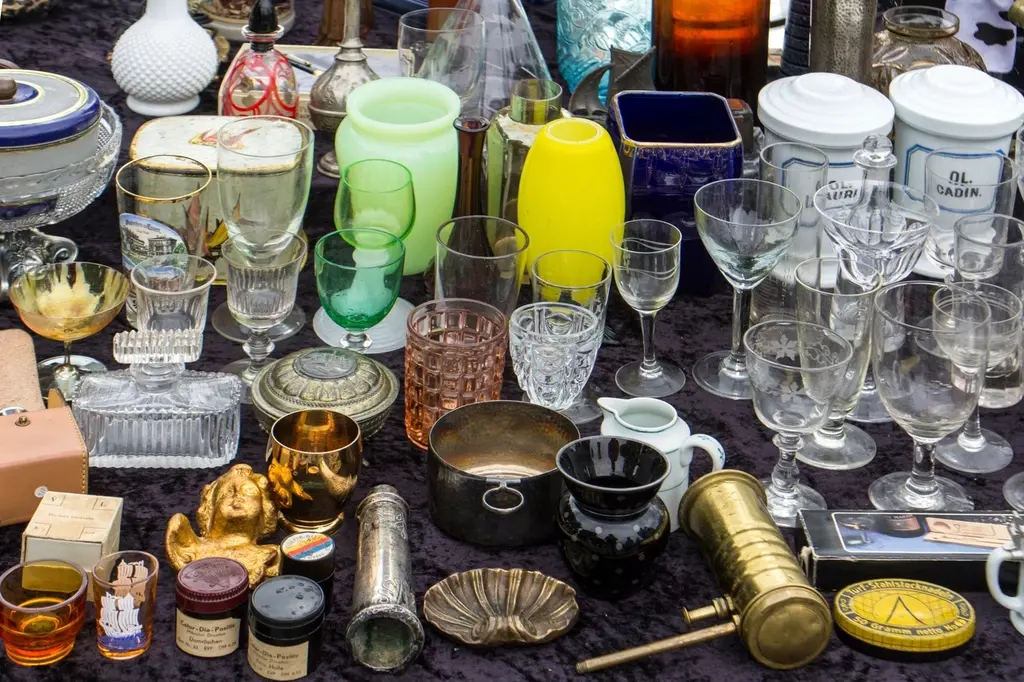
You'll find everything from vintage glass ornaments and ceramic trees to farmhouse signs, primitive furniture, fresh greenery, and baked goods. Each sale has its own personality, and that's half the fun.
How to Find Christmas Barn Sales Near You
Because many of these sales are small and run for only a few days, they can be surprisingly hard to find. These are the places we check:
- Social media. Many barn sales announce dates and preview photos on their social pages. Following a few local vintage shops will usually lead you to others.
- Local event calendars. Town and county tourism sites, chamber of commerce calendars, and community newspapers often list holiday markets.
- Antique shops and malls. Ask the owners. Vintage folks know other vintage folks, and many shops post flyers for seasonal sales.
- Farm stands and orchards. Farms that sell pumpkins in fall often host holiday markets in winter.
- Word of mouth. Ask at estate sales and flea markets. Regulars always know the good ones.
Planning Your Barn Sale Trail Route
The best barn sale days are a little bit planned and a little bit spontaneous. Here's how we put a trail together:
- Make a list. Gather every sale you can find for a given weekend, with addresses and hours.
- Map it out. Group sales that are close together and plan a loop. Country roads take longer than you'd think, so build in extra time.
- Prioritize opening hours. If one sale is famous for a big opening-day rush, go there first.
- Leave room for detours. Some of our best finds have come from a hand-painted "Barn Sale" sign we weren't expecting.
- Bring a friend. A shopping buddy helps carry, holds your spot in line, and talks you out of (or into) that big piece.
What to Bring
- Cash in small bills. Many small sales take cards now, but cash can still be faster and helps when negotiating.
- A tote or basket. Some sales don't have carts, and it's easy to get your hands full.
- Newspaper, bubble wrap, and boxes. Vintage glass ornaments are fragile. Wrap each one before it rides home.
- A tape measure and room measurements. Know the size of that mantel, the corner by the tree, or the space on the porch.
- Layers and comfortable shoes. Barns can be chilly, floors can be uneven, and you may be walking on gravel or grass.
- Snacks and water. Not every sale has food, and country roads don't always have a gas station nearby.
- Straps or blankets. If you might bring home furniture, come prepared to tie it down and protect it.
Vintage Christmas Treasures to Look For
Every barn sale has its own mix, but these are the vintage holiday pieces we always keep an eye out for:
Glass Ornaments
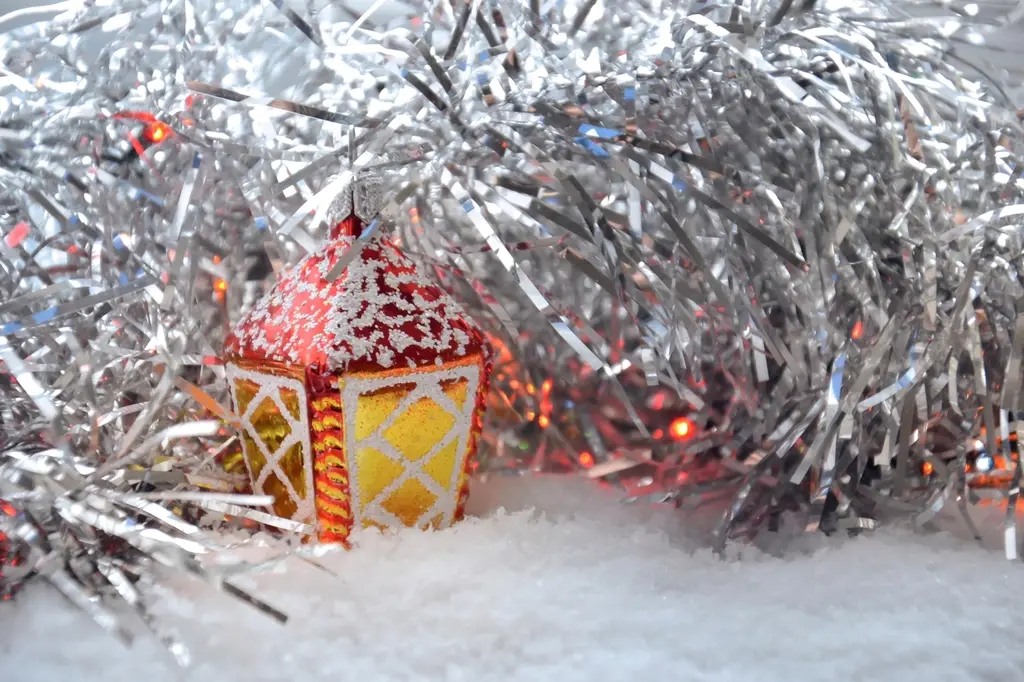
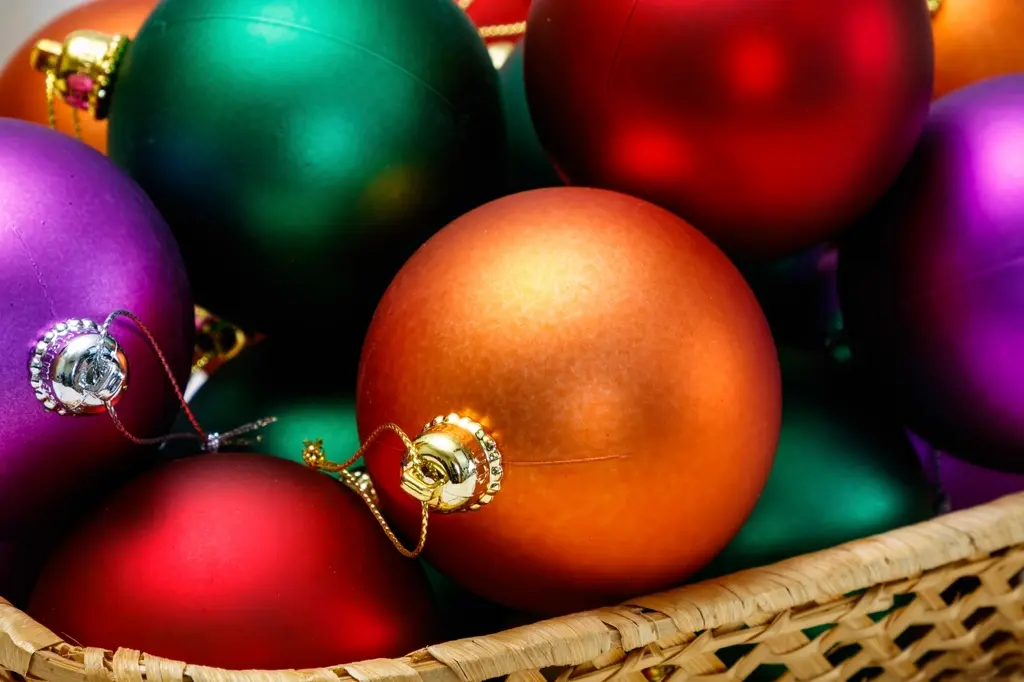
Mid-century glass ornaments, especially American-made ones from around the 1940s through the 1960s, are beloved by collectors. Look for original boxes, unusual shapes, and indent styles. Old ornaments with faded paint and a bit of wear have a soft charm, but avoid pieces with cracks that could shatter.
Ceramic Christmas Trees
Lighted ceramic trees with little plastic bulbs were a popular hobby-ceramics project in the 1960s and 1970s, and they've come roaring back. Check that the cord is intact and the bulbs are mostly present. Have any old cord inspected or replaced before plugging it in.
Tinsel and Bottle Brush Trees
Vintage aluminum trees, old tinsel garland, and little bottle brush trees bring instant retro sparkle. If you can't find (or afford) a vintage aluminum tree, our DIY tinsel tree gets the look on a budget.
Blow Molds and Light-Up Figures
Plastic blow mold Santas, snowmen, and candles from the mid-1900s are nostalgic favorites for porches and yards. Check for cracks, sun-fading, and working light sockets.
Primitive and Farmhouse Decor
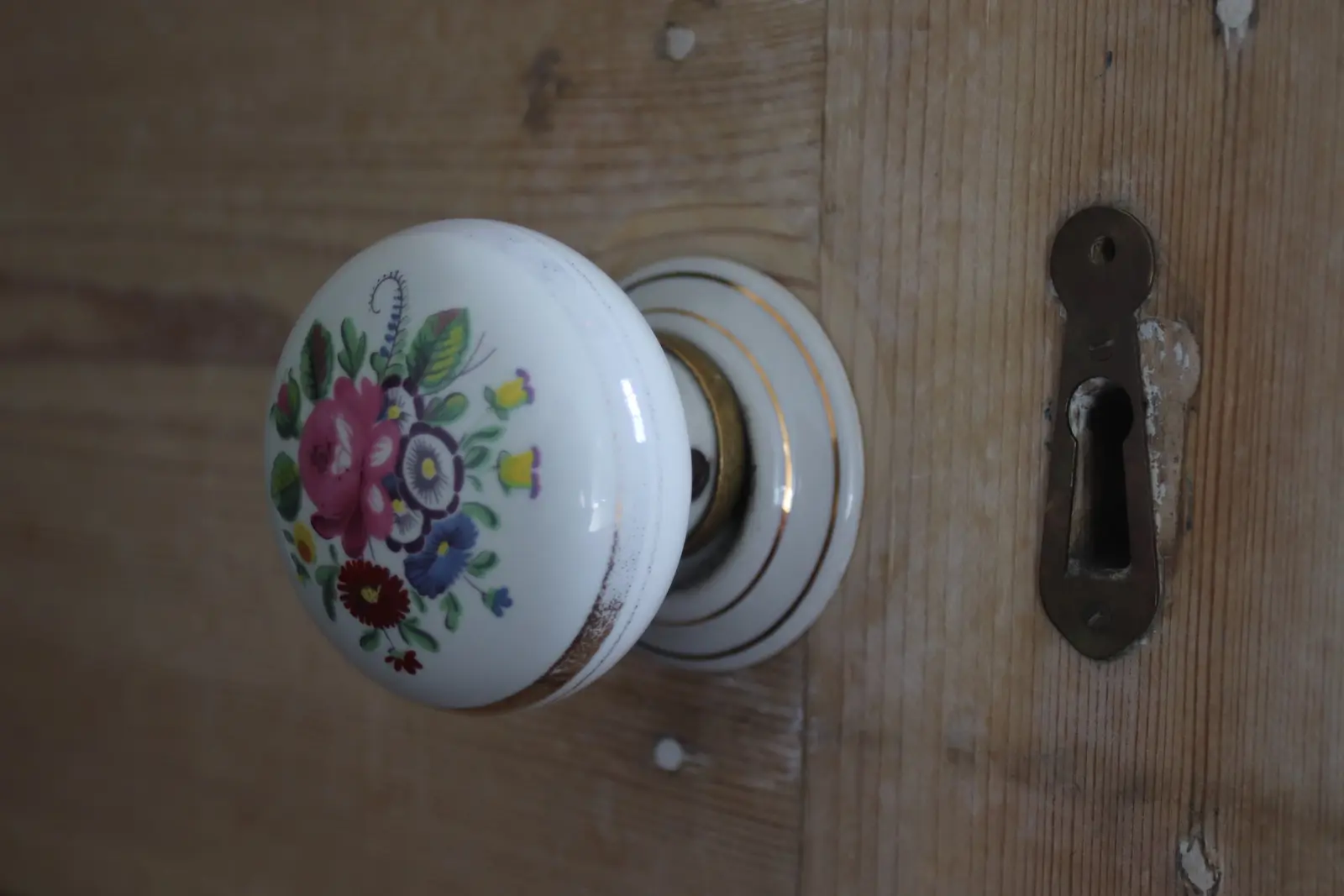
Old sleds, ice skates, galvanized buckets, wooden crates, grain sacks, and enamelware all make wonderful holiday decor. Old wooden spindles, doorknobs, and barn wood are perfect for DIY projects too. Try our door knob Christmas tree if you come home with a box of old knobs.
Quilts, Linens, and Ephemera
Red and white quilts, holiday tablecloths, old Christmas cards, and sheet music make for cozy, layered decor. Check textiles for stains, holes, and odors, and look closely at seams.
How to Shop a Christmas Barn Sale Like a Pro
Go Early for Selection, Late for Deals
Opening hours bring the best selection, and popular sales can have a line out the door. Later in the day, and especially on the last day, vendors may be more willing to negotiate because they'd rather not pack things back up.
Haggle Kindly
A friendly "Is this your best price?" or "Would you take a little less if I bundle these?" goes a long way. Many small vendors price thoughtfully and fairly, so don't push too hard. Remember they've spent hours hunting, cleaning, and setting up.
Know What You're Buying
Popular items like vintage ornaments, ceramic trees, and old signs are often reproduced. Look for honest wear, check marks and materials, and trust your gut. Our guide on how to spot reproduction antiques covers the warning signs.
Buy What You Love
Ignore what's trendy and bring home pieces that make you smile. You'll treasure them every season, and that's the whole point. If you're torn on a piece, take a lap and come back. If you're still thinking about it, that's usually your answer, as long as it fits your budget and your space.
Safety Notes for Vintage Holiday Decor
- Old wiring. Inspect vintage light sets, ceramic trees, and lighted figures before use. Frayed or brittle cords should be replaced by someone qualified, and old light sets may be best kept for display only.
- Glass. Handle old glass ornaments gently and keep fragile pieces out of reach of little ones and pets.
- Lead paint. Old painted toys, sleds, and wooden pieces may have lead paint. Keep them out of children's hands and avoid sanding.
- Open flames. Keep candles well away from dried greenery, paper decor, and old fabrics, and never leave them burning unattended.
- Rusty metal. Wear gloves when handling rusty tools and sleds, and clean them before bringing them indoors.
After the Sale: Bringing It All Home
Once your car is full and your heart is happy, give your finds a gentle cleaning before you decorate. Wipe glass with a soft cloth, air out textiles, and let anything from a cold barn warm up slowly before washing. Then have fun styling your treasures alongside family keepsakes. For more seasonal ideas and DIY projects, browse our blog. Merry junking, y'all!
Frequently asked questions
When do Christmas barn sales usually happen?
Most holiday barn sales run from early November through mid-December, often for just a few days or weekends. Dates change from year to year, so confirm with the organizer before you go.
How do I find a Christmas barn sale near me?
Check social media pages of local vintage shops, town and county event calendars, community newspapers, and antique malls. Asking vendors at flea markets and estate sales is one of the best ways to hear about smaller sales.
What should I bring to a barn sale?
Bring cash in small bills, a tote, wrapping for fragile ornaments, a tape measure with your room measurements, warm layers, comfortable shoes, and straps or blankets if you might buy furniture.
Are vintage Christmas lights safe to use?
Old lights and lighted decor can have brittle or frayed wiring. Inspect them carefully and have a qualified person replace damaged cords. Many collectors keep vintage light sets for display only.