Let's Go Pickin': Antique Picking Tips for Beginners
Ready to go pickin'? Our antique picking tips cover where to hunt, what to bring, how to negotiate, and how to spot the good stuff.
There's a special thrill in pulling up to a dusty barn or a crowded flea market and wondering what you'll find. Picking for antiques is part treasure hunt, part history lesson, and part social visit. Whether you're furnishing your home, stocking a booth, or just love old things, these antique picking tips will help you find better pieces, pay fair prices, and have a lot more fun doing it.
What Is Antique Picking?
Picking means hunting for antiques, vintage items, and collectibles wherever they turn up, often before they reach a shop. Pickers search estate sales, auctions, yard sales, flea markets, barns, and attics. Some pick for their own homes, some resell, and many do a little of both. The heart of it is the same: finding something with a story and giving it a new life.
Where to Go Pickin'
Estate Sales
Estate sales are a goldmine because entire households are for sale, often including the basement, attic, and garage. Arrive early for the best selection, or come back on the last day for discounts. Our estate sale tips walk through how to shop them.
Flea Markets and Antique Malls
Flea markets offer a huge variety in one place, and vendors are often open to negotiating. Antique malls have higher prices on average but also curated, cleaned pieces. Both are great places to learn what things sell for.
Auctions
Country auctions can be thrilling and sometimes offer bargains, especially on box lots. Preview items before bidding, set a firm limit, and remember that a buyer's premium may be added to your winning bid.
Yard Sales and Church Sales
Yard sales and rummage sales are hit or miss, but prices are low and you never know. Neighborhoods with older homes often turn up older items.
Timing Your Picking Trips
Timing matters more than most beginners realize. Spring and fall are prime seasons, when folks clean out barns and garages and outdoor markets are in full swing. Early mornings bring the best selection, while the last hours of a sale bring the best prices. Rainy days can be a hidden blessing, too: crowds stay home, and vendors who braved the weather are often happy to make a deal. Plan a loop of stops that are close together so you spend more time hunting and less time driving, and leave room in the schedule for a hand-lettered "Sale" sign you didn't expect.
Barns, Sheds, and Private Collections
This is the classic picker's dream: the old barn full of forgotten treasures. These opportunities usually come through word of mouth, relationships, and asking politely. Never, ever enter property without permission. Respect "No Trespassing" signs and the owner's wishes, even if you're sure there's something good inside.
What to Bring on a Picking Trip
- Cash in small bills. Cash still talks, especially at yard sales and with private sellers.
- Tape measure. Know the dimensions of your space and your vehicle.
- Flashlight. Barns, basements, and dark booths hide details like cracks, repairs, and maker's marks.
- Small magnet. Handy for checking whether a metal piece is iron or steel versus brass or copper.
- Magnifying glass or phone camera zoom. Read faint marks and signatures.
- Gloves. Protect your hands from splinters, rusty metal, and broken glass.
- Wipes and hand sanitizer. Picking is dusty work.
- Blankets, straps, and bins. Protect your finds and secure them for the ride home.
- A list. Write down what you're hunting for and the sizes you need.
Antique Picking Tips for Spotting the Good Stuff
Learn the Basics of Age
Look at construction. Hand-cut dovetails, square nails, and saw marks often point to older furniture, while uniform machine-cut joints, staples, and particleboard point to newer pieces. Wear should appear where hands and feet naturally touch. Our guide on how to spot reproduction antiques goes deeper.
Check Condition Carefully
Turn pieces over, open drawers, and look inside. Check for cracks, chips, repairs, missing parts, water damage, and pests. Honest wear adds character, but structural damage can be expensive to fix.
Know Your Categories
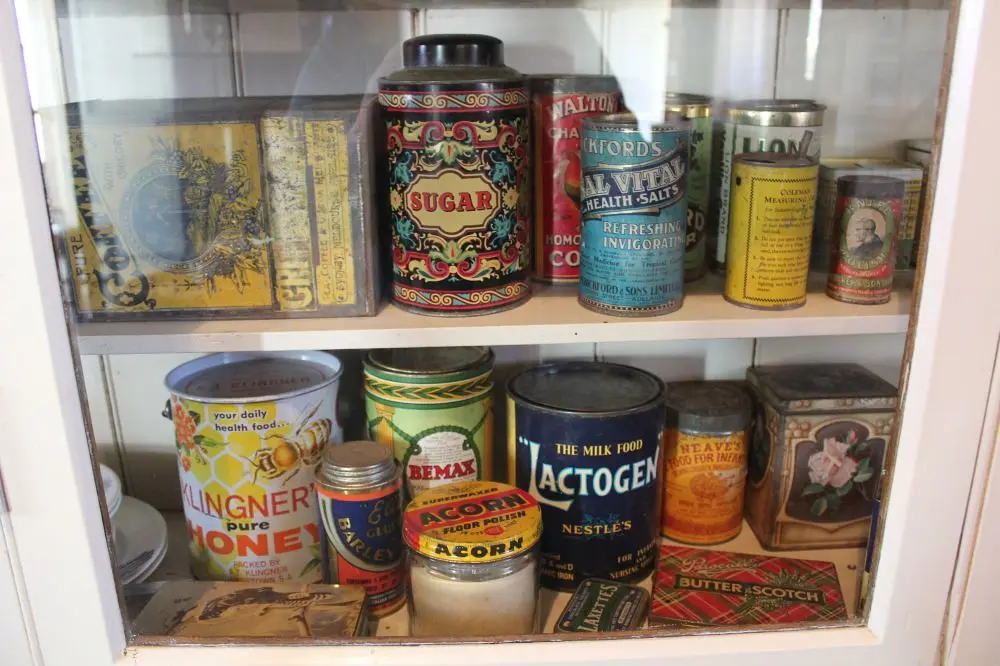
It's easier to spot value when you focus. Pick a few categories to learn deeply, like advertising tins, canning jars, kitchenware, or tools, and study them. For example, our guides to Prince Albert tins and vintage jars to look for are great places to start.
Look for Crossover Appeal
Some items appeal to both decorators and collectors, which often means they're easier to sell or enjoy. Think old crates, enamelware, ironstone, farm signs, and industrial pieces.
Do Your Homework
Before you head out, spend a little time looking at completed sales for the kinds of things you hunt. Prices in shop booths show what people are asking, but completed sales show what buyers actually paid, and those can be very different numbers. Keep notes on your phone with typical price ranges, common maker's marks, and the details that separate a common piece from a scarce one. While you're shopping, a quick photo search can help you identify a mark or pattern you don't recognize. Just remember that condition, region, and timing all move prices, so treat any number you find as a rough guide rather than a promise.
Trust Your Gut
If something seems too good to be true, too clean, or too cheap, take a closer look. And if you love something and the price is fair, don't walk away. You may not see it again.

How to Negotiate Fairly
Negotiation is part of the picking culture, but there's an art to doing it kindly.
- Be polite. Start with a greeting and genuine interest. Sellers are more flexible with friendly buyers.
- Ask, don't demand. "Is there any wiggle room on this?" or "What's your best price?" works better than throwing out a lowball offer.
- Bundle. Buying several items together often earns a better deal.
- Be ready to buy. Don't negotiate on something you don't intend to purchase.
- Respect the answer. If a seller says no, thank them and move on. They may change their mind later.
- Be honest with private sellers. If you're buying from someone's home or barn and you know something is valuable, it's good form to make a fair offer. Reputation matters, and so does doing right by people.
What Sells and What to Pass On
Trends come and go, but some categories tend to stay popular with buyers:
- Farmhouse and primitive pieces like crocks, crates, and enamelware
- Advertising tins, signs, and store displays
- Vintage kitchenware and canning jars
- Hand tools and industrial pieces
- Quality small furniture that's easy to move
On the other hand, it's often wise to think twice about large, heavy furniture without a clear buyer or space, pieces with heavy damage that need costly repairs, and mass-produced items that were made in huge quantities. When in doubt, focus on what you'd be happy to keep.
Staying Safe While Picking
- Watch your step. Old barns, lofts, and basements may have weak floors, loose boards, and sharp objects.
- Wear gloves and sturdy shoes. Rusty nails, broken glass, and splinters are common.
- Be careful with old paint. Many older painted pieces may contain lead. Avoid sanding without proper precautions.
- Mind the critters. Barns and sheds can hide wasps, mice, and snakes. Look before you reach.
- Lift smart. Get help with heavy pieces and use straps or dollies.
- Tell someone where you're going. Especially when visiting rural properties or private sellers.
Build Relationships and Enjoy the Hunt
The best pickers have a network. Get to know dealers, auctioneers, estate sale companies, and neighbors. Leave a friendly impression, pay what you agreed to, and follow through. Many of the best opportunities come from someone saying, "I know a fella with a barn full of old stuff." And a thank-you note or a return visit goes a long way.
At the end of the day, picking is about the hunt, the people, and the stories. Some days you'll come home with a truck full of treasures, and some days you'll come home with nothing but a good lunch at a country diner. Both count as a good day. Happy pickin'!
Frequently asked questions
What should I bring when going antique picking?
Bring cash in small bills, a tape measure, flashlight, small magnet, gloves, wipes, and blankets and straps to protect your finds. A list of what you're looking for and the sizes you need helps you stay focused.
Where are the best places to pick for antiques?
Estate sales, flea markets, auctions, yard sales, and antique malls are all great places to start. Barns and private collections can be wonderful too, but only with the owner's permission.
How do I negotiate prices when picking?
Be friendly and polite, ask about the best price rather than throwing out a lowball offer, and bundle items for a better deal. Only negotiate on things you intend to buy, and respect the seller's answer.
How can I tell if an antique is real?
Look at construction details, wear patterns, materials, and maker's marks. Hand-cut joints and natural wear in the right places suggest age, while uniform machine work and fake distressing suggest reproductions.