How to Repurpose Antique Light Globes: Cloches, Planters, and More
Old schoolhouse shades and glass light globes make beautiful cloches, terrariums, and planters. Here is how to find, clean, and repurpose them safely.
Antique light globes are some of the prettiest glass you will find at a flea market, and they are often sold for very little because the fixtures they belonged to are long gone. Milky schoolhouse shades, ribbed and prismatic glass, hobnail globes, and etched clear shades all have a soft, old-fashioned glow even with no bulb inside.
Repurposing them is one of our favorite quick projects. A globe flipped upside down becomes a cloche; turned right side up it becomes a planter or a tiny terrarium; and with the right fitter size it can even go back to work as a new pendant shade. Below we cover how to identify and clean old globes, a simple cloche project, and eight more ideas, plus the safety notes that matter when old glass and electricity meet.
What you'll need
Tap to check items off as you gather them.
How to make it
Inspect the glass
Run a gloved finger around the fitter rim and check for chips, cracks, and star breaks by holding the globe up to the light. Small rim nicks are fine for decor; cracks are not.
Clean gently
Wash by hand in warm, soapy water using a bottle brush inside. Soak cloudy globes in a mix of warm water and white vinegar, then rinse well. Avoid sudden temperature changes, which can crack old glass.
Measure the fitter
Measure across the open neck (the fitter) to choose a matching base, a pot that will nest inside, or a replacement fixture.
Choose your project
Decide whether the globe will be a cloche, planter, terrarium, candle shade, or a new pendant shade, using the ideas below.
Make a cloche base and handle
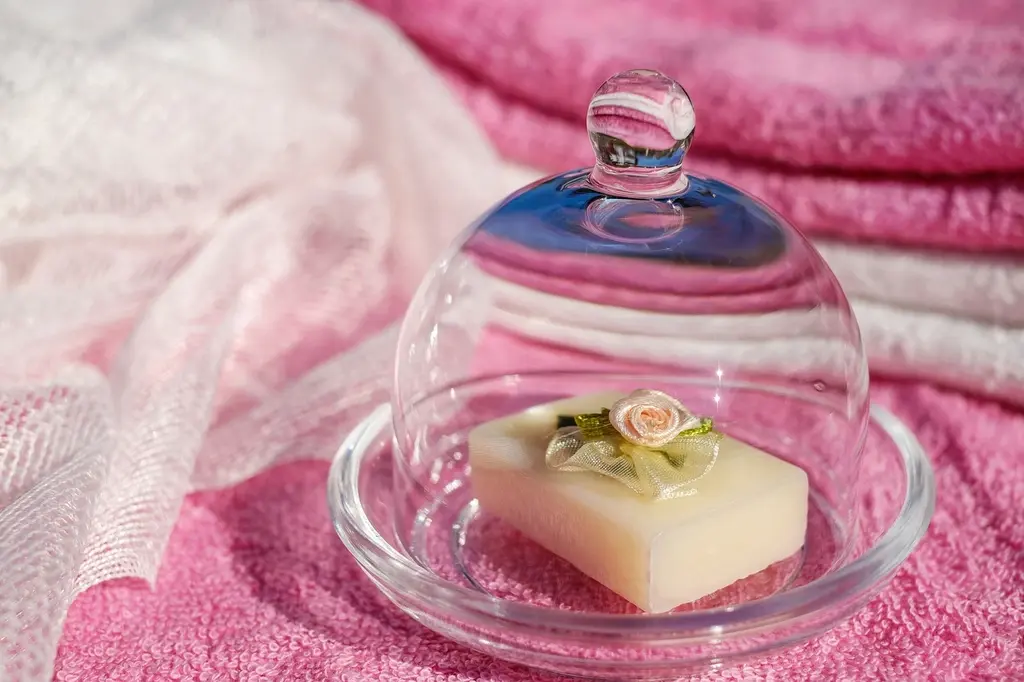
For a cloche, flip the globe so the fitter faces down and set it on a wood round or candlestick base slightly wider than the opening. Glue a small knob to the top of a closed globe if you want a handle.
Protect surfaces
Stick felt pads under any base so the piece will not scratch furniture, and keep finished pieces away from table edges.
Style and display
Fill or cover your globe with a seasonal vignette, a plant, or a tiny collection, and refresh it as the seasons change.
Why Antique Light Globes Are Worth Saving
Old glass simply looks different from new glass. Many early globes were mouth-blown or pressed in iron molds, and you can often spot tiny bubbles, slight waves, and a soft, uneven thickness that modern machine-made glass rarely has. Milk glass shades have a warm, creamy glow that is hard to copy, and prismatic globes throw light in a way flat glass cannot. When the fixture is lost, the globe usually ends up in a box at the back of a booth, which makes it one of the more affordable ways to bring genuinely old glass into your home.
Finding Antique Light Globes
Look in the lighting booths at antique malls, in salvage yards that pull fixtures from old schools, churches, and houses, and in the odds-and-ends boxes at estate sales. Our estate sale tips and antique picking guide will help you know where to dig. Prices typically range from a few dollars for a plain clear globe to much more for a matched set of hand-painted or unusual shades. Condition, maker, and whether a globe is part of a set drive value.
Common styles you are likely to see include:
- Schoolhouse globes. White milk glass or opal shades, often with a black or colored band, used in schools and public buildings through much of the 1900s.
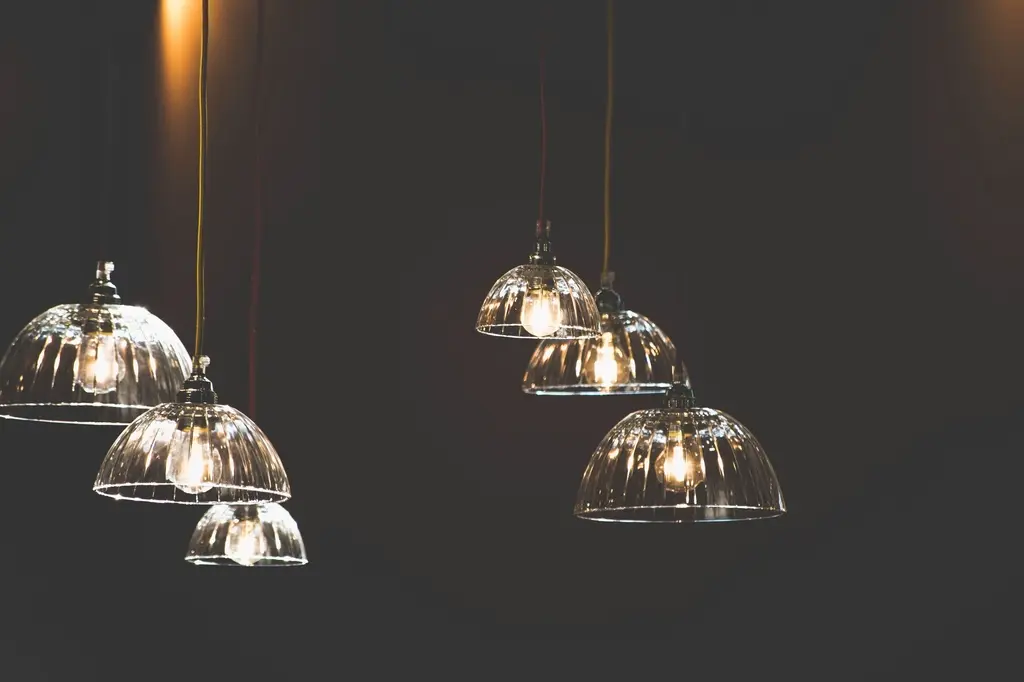
- Prismatic and ribbed glass. Clear glass molded with ridges that spread light; the Holophane company popularized this style starting in the late 1800s, and many makers followed.
- Hobnail and textured globes. Bumpy or patterned glass often found on mid-century porch and hallway fixtures.
- Etched and frosted shades. Delicate floral or geometric etching on clear or frosted glass.
- Jelly jar and caged globes. Small, heavy globes from porch and utility fixtures, perfect for little planters.
Know Your Fitter Size
The fitter is the open neck of the globe that slips into the fixture's holder. Measure straight across the outside of that rim. Many older globes use one of a handful of standard fitter sizes, with roughly 2-1/4, 3-1/4, 4, and 6 inches among the most common. Knowing your size makes it easy to find a matching base, pick a pot that nests inside, or shop for a new fixture that the globe will actually fit. Write the measurement on a piece of tape inside the globe so you never have to measure it twice.
8 Ways to Repurpose Antique Light Globes
1. Cloche
Flip a closed-bottom globe over a candlestick, a wood slice, or a vintage cake stand to protect a small collection: a bird's nest, a stack of old spools, a vintage ornament, or faux berries. See our rustic cloche DIY for more base ideas.
2. Succulent planter
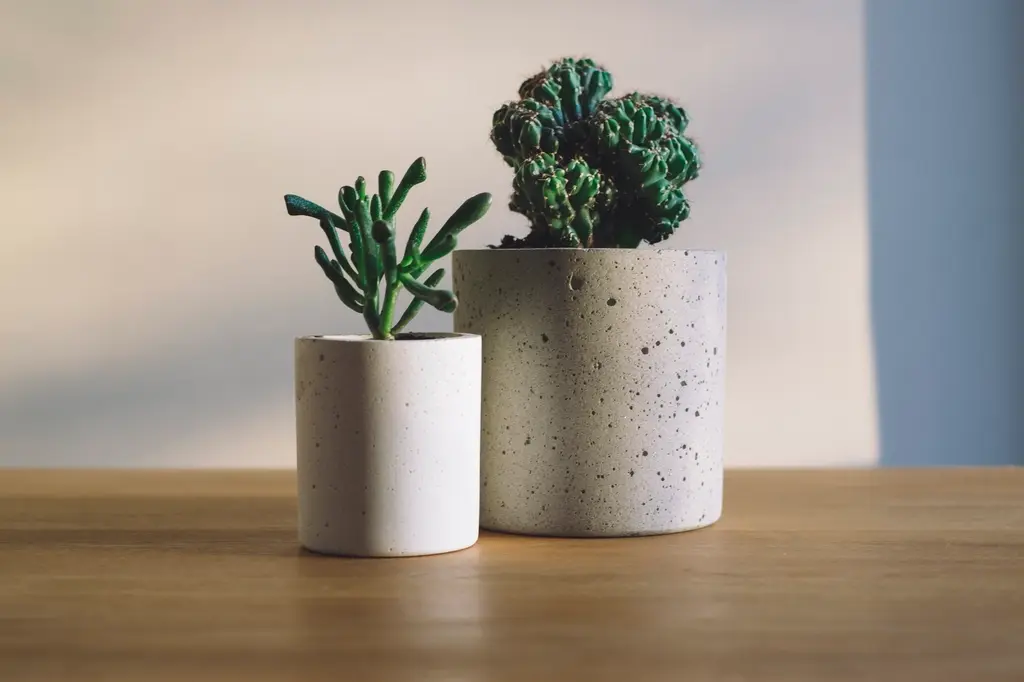
Set a schoolhouse globe right side up and nest a small plastic nursery pot inside, so you can lift the plant out to water. Globes have no drainage hole, so planting directly into them makes it easy to overwater. Our succulent dustpan planter has more on caring for succulents in unusual containers.
3. Terrarium
Clear globes make lovely open terrariums. Layer small gravel, a thin layer of horticultural charcoal, and potting mix, then add mosses, small ferns, or fittonia. Open globes suit plants that like moderate humidity; succulents generally prefer an open, airy spot rather than an enclosed one.
4. New pendant shade
If the fitter matches a new fixture's holder, an antique globe can light a kitchen island or porch again. Read the safety section below first and use a new, listed fixture.
5. Candle hurricane
Set an open globe over a battery-operated candle for a warm, safe glow on a table or porch. Real flames are risky in old glass; see the safety notes.
6. Seasonal vignette jar
Fill a clear globe with pinecones in winter, moss and speckled eggs in spring, or tiny pumpkins in fall. Pair it with a tiered tray for a centerpiece.
7. Bathroom or vanity catch-all
A small globe on a saucer holds cotton balls, bath salts, or rolled washcloths.
8. Grouped display
Line up three or five mismatched globes along a shelf or windowsill, where sunlight brings out the texture of the glass. Grouping turns orphan globes into a collection.
Styling Tips for Light Globe Displays
Glass shines brightest with something solid underneath and a little light behind it. Set globes on warm wood, ironstone, or a stack of old books rather than straight onto a painted shelf. Mix textures, such as a ribbed globe beside a smooth milk glass shade, and keep the contents simple so the glass stays the star. A single moss ball, one vintage ornament, or a few sprigs of dried lavender is often enough. Near a window, morning sun through prismatic glass will scatter little rainbows across the room.
Electrical and Glass Safety
Old globes are glass, and old fixtures are electrical, so a little caution goes a long way:
- Rewiring. Original fixtures often have brittle cloth or rubber-insulated wiring that should be replaced before use. If you are not experienced with electrical work, have a licensed electrician rewire or install the fixture.
- Use listed parts. When putting a globe back into service, use a new or professionally rewired fixture with a UL- or ETL-listed rating, and stay within its maximum bulb wattage.
- Choose LED bulbs. LEDs run much cooler than incandescent bulbs, which is easier on old glass, and a closed globe can trap heat.
- Secure the globe. Tighten the holder's set screws evenly and snugly, but do not overtighten, which can crack the fitter rim.
- Flames. Old glass can crack from uneven heat. We recommend flameless candles; if you use a real candle, keep it centered, never leave it unattended, and keep it away from dried greenery.
- Old metal parts. Painted fixture parts may contain lead paint. Avoid sanding them dry and wash your hands after handling.
- Chips and cracks. Wear gloves when cleaning and retire any globe with a crack running from the rim.
Cleaning and Caring for Old Glass
Hand wash only. Dishwashers can etch, cloud, or strip painted bands, and the heat can stress old glass. Soak cloudy globes in warm water with a splash of white vinegar, or make a gentle paste of baking soda and water for stubborn grime. Rinse with water about the same temperature as the soak, and let globes air dry upside down on a towel. Avoid abrasive scrubbers on painted or etched glass. With a little care, antique light globes will keep catching the light for another hundred years.
Frequently asked questions
How do I know what size my antique light globe is?
Measure straight across the outside of the open neck, called the fitter. Many older globes use standard fitter sizes, with roughly 2-1/4, 3-1/4, 4, and 6 inches among the most common, which makes it easier to find a matching base or fixture.
Can I use an antique light globe in a new light fixture?
Often yes, as long as the fitter size matches the fixture's holder. Use a new or professionally rewired fixture that is UL- or ETL-listed, stay within its wattage rating, and choose a cool-running LED bulb. When in doubt, have an electrician install it.
Can I plant directly in a glass light globe?
You can, but globes have no drainage, so it is easy to overwater. We prefer nesting a small nursery pot inside. If you plant directly, add a layer of small gravel at the bottom and water sparingly.
Is it safe to put a candle under a glass light globe?
Old glass can crack from uneven heat, so battery-operated candles are the safer choice. If you use a real flame, keep it centered and well below the glass, never leave it unattended, and keep it away from flammable decor.
How do I clean a cloudy schoolhouse globe?
Hand wash it in warm, soapy water, then soak it in warm water with a splash of white vinegar to loosen mineral film. Rinse at a similar temperature and air dry. Never put antique globes in the dishwasher.