Why Are Barns Red? The History of the Classic Red Barn
Ever wonder why are barns red? The answer is a mix of thrift, chemistry, and tradition. Here's the story behind America's favorite barn color.
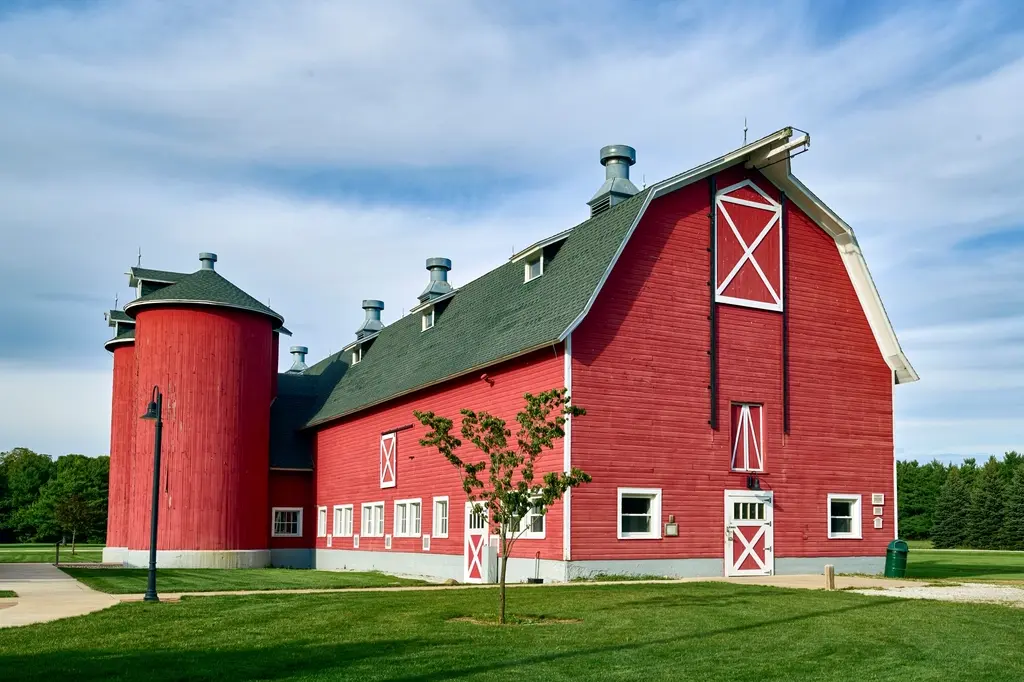
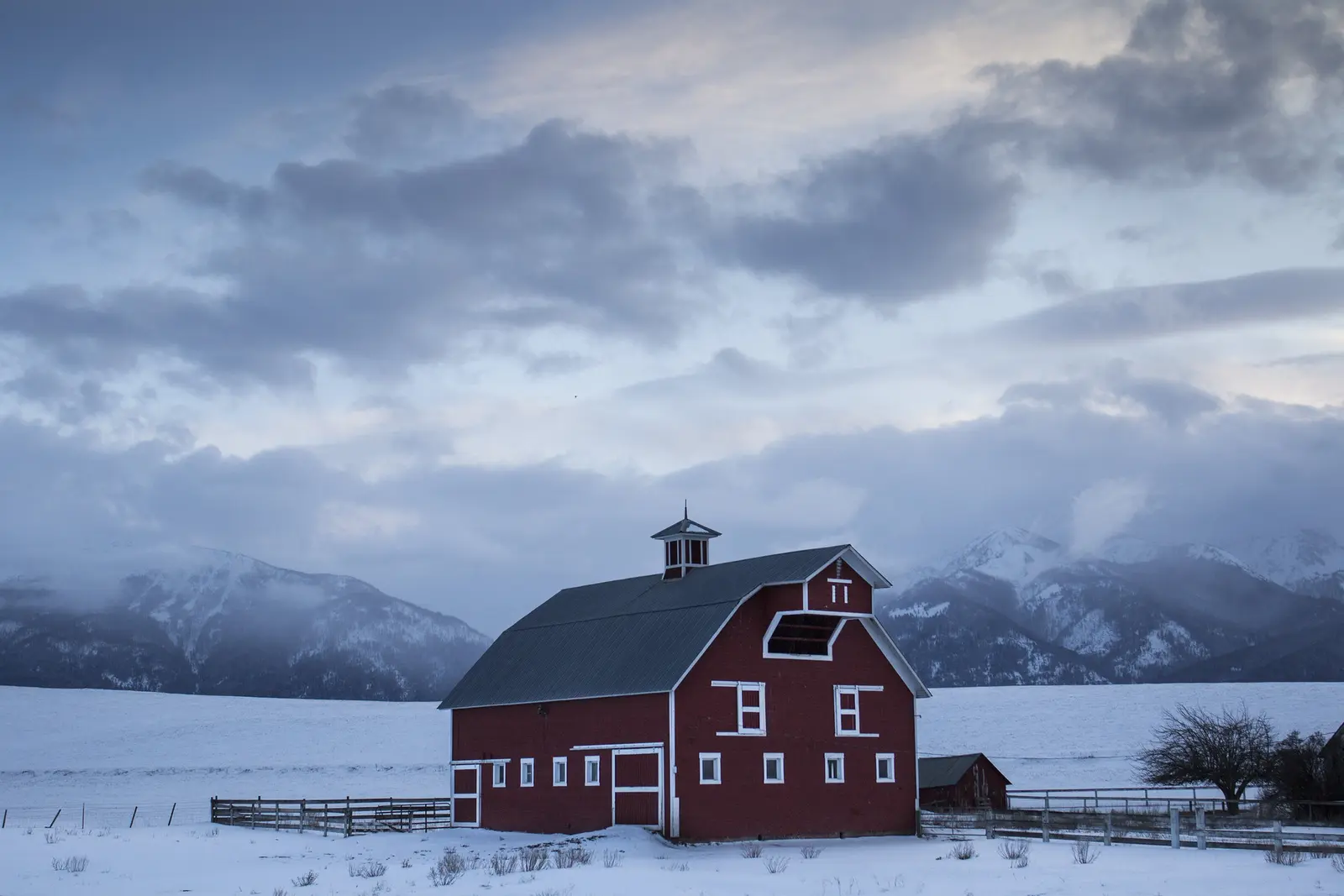
Drive down just about any country road and you'll spot one: a big red barn with white trim, sitting proud in a field. It's such a familiar sight that it feels like the natural color of barns. But why are barns red? The answer is a little bit of chemistry, a lot of farmer thrift, and a good dose of tradition passed down through the generations.
Here's the story behind the classic red barn, the myths and the likely truths, and why that weathered red wood is so loved by makers and decorators today.
Why Are Barns Red? The Short Answer
Barns are red mostly because red paint was cheap and practical for early farmers. Many homemade paints were colored with iron oxide, the same compound that gives rust and red clay their color. Iron oxide was easy to come by and inexpensive, and it made a sturdy, long-lasting finish. Once red barns became common, the color stuck as a tradition, and later generations kept painting barns red because that's what a barn was supposed to look like.
Before Paint: The Earliest Barns
The earliest barns in America were often left unpainted. Farmers built with whatever wood was at hand and let it weather naturally to silver-gray. Paint was expensive, and spending money to coat an outbuilding didn't make sense for many families. Unpainted wood weathers, though, and over time farmers looked for ways to protect their barns from rot, moisture, and the sun.
The Homemade Paint Recipe
Linseed Oil as the Base
Many early farmers made their own protective coatings. A common base was linseed oil, pressed from the seeds of the flax plant. Linseed oil soaks into wood and hardens as it dries, helping seal the surface against water. Flax was grown on many farms, so the oil was something farmers could get without a trip to a big city supplier.
Adding Iron Oxide
Linseed oil on its own darkens over time, and farmers commonly mixed in a pigment. Red iron oxide was a natural choice. It was inexpensive, widely available, and produced a durable, rich red-brown finish. The color is often described as "barn red," and you can still buy paints sold under that name today.
You'll often read that the rust in the mix helped kill fungi and moss on the wood. Iron oxide pigments do make durable coatings that hold up well in sunlight, which helps protect the wood. How much of an anti-fungal effect early mixtures really had is hard to say for certain, so we'd take the stronger claims with a grain of salt. What's clear is that the paint worked well enough, and it was cheap.
Milk, Lime, and Other Additions
Some recipes also included skim milk, lime, or both, creating a kind of milk paint or limewash. Milk paint uses milk protein as a binder and has been used for centuries. Lime brightens and helps the coating cling. These mixtures varied a great deal from farm to farm and region to region, based on what a family had on hand.
The Blood Story
You may have heard that farmers added animal blood to their barn paint to make it red. It's a popular bit of folklore, and it's possible some farmers experimented with it, but there's little solid evidence it was a widespread practice. The iron oxide explanation is far better supported. We'd file the blood story under "fun to tell, hard to prove."
Why the Color Stuck
Cost and Practicality
As commercial paints became more available in the 1800s, red remained one of the cheapest options because iron oxide pigment was inexpensive to produce. Farmers with a big building to cover naturally chose the most economical color. White paint, which relied on more expensive pigments for much of that period, was often saved for the farmhouse. That's one reason you so often see a white house next to a red barn.
Warmth in Winter (Maybe)
Another common explanation is that dark red absorbs more sunlight than white, helping barns stay a bit warmer in cold northern winters. That's true in principle, since darker colors absorb more heat, but it's hard to say how much it mattered to farmers choosing paint compared with plain old cost. It's best considered a nice bonus rather than the main reason.
Tradition and Pride
Once red barns were common, they became a symbol of a well-kept farm. Painting your barn red was simply the way things were done, and later generations kept up the tradition even when other colors were affordable. Today, plenty of farmers paint new barns red out of respect for that heritage, and many people simply think a barn doesn't look right in any other color.
Other Barn Colors Around the Country
Not every barn is red, and regional traditions add a lot of character to the American countryside.
- White barns are common in some dairy regions, where a bright, clean appearance was valued. As white paint became cheaper, more farmers chose it.
- Weathered gray and brown barns appear in many parts of the South and the West, where barns were often left unpainted or stained. The silvery, sun-bleached wood has its own beauty.
- Black tobacco barns are a familiar sight in parts of Kentucky, Tennessee, and the Carolinas. Dark paints and coatings are often explained as helping with curing tobacco and protecting the wood, though practices varied.
- Painted and quilt-block barns show up in many communities, adding decorative patterns and murals that celebrate local heritage.
Red barn paint isn't just an American tradition, either. In Sweden, a deep red paint known as Falu red, made using pigment from copper mining waste in the town of Falun, has colored cottages and barns for centuries.
How Barns Were Built and Why They Matter
Old barns are more than pretty pictures. Many were built with hand-hewn timbers, mortise-and-tenon joints, and wooden pegs, often by neighbors working together at a barn raising. The structures reflect the farming needs of their time: haylofts above, livestock stalls below, wide doors for wagons, and later, space for tractors. As farming changed, many old barns fell out of use, and preservation groups in many states now work to document and save them.
If you go exploring, always ask permission before stepping onto private property or into an old barn. Old floors, lofts, and roofs can be unsafe, and many barns are still part of working farms. Our antique picking tips cover how to approach landowners respectfully.
Bringing Red Barn Charm Home
If you love the look of an old red barn, there are plenty of ways to bring a bit of it inside:
- Reclaimed barn wood. Weathered boards with traces of old red paint make beautiful signs, shelves, frames, and holiday decor. Try our barn wood Christmas trees for an easy seasonal project.
- Barn red paint. A coat of barn red on a cabinet, door, or porch bench gives an instant farmhouse feel.
- Vintage farm finds. Old feed sacks, galvanized buckets, and tools look right at home with red barn decor.
Rusty hinges and hardware salvaged from barns can be cleaned up nicely, too. Our guide on how to remove rust from vintage metal walks you through it.
The Lasting Appeal of the Red Barn
So, why are barns red? Because red was affordable, durable, and practical, and because once it became the color of a proud farm, nobody wanted to change it. The red barn has become a symbol of rural life, hard work, and home, and it shows up on Christmas cards, quilts, paintings, and farmhouse decor all across the country. Next time you pass one on a country road, you'll know a little more about the story behind it. For more stories behind the things we love, visit the blog.
Frequently asked questions
Why are barns red?
Early farmers often colored their homemade barn paint with red iron oxide, which was inexpensive, widely available, and durable. Mixed with linseed oil, it made a protective finish. Red became a tradition, and many farmers kept painting barns red long after other colors were affordable.
Did farmers use blood to paint barns red?
It's a popular story, but there's little solid evidence that blood was widely used in barn paint. Iron oxide pigment is the far better-supported explanation for the red color.
Why are some barns white or black?
As white paint became more affordable, many farmers, especially in some dairy regions, chose it for a clean look. Black barns are common in tobacco-growing areas of the South, where dark coatings were often associated with curing tobacco and protecting the wood.
Is old red barn wood safe to use for decor?
Weathered barn wood can be beautiful, but old paint may contain lead. Test painted boards with a lead test kit, avoid dry sanding, seal the surface, and wear gloves when handling boards with old nails.