Succulent Dustpan Planter: Easy Vintage Repurpose DIY
Give a rusty old dustpan a fresh start as a wall-hung succulent planter that's practically made for a sunny porch.
An old metal dustpan might not seem like much at first glance, but it's practically built to be a planter. It has a scoop to hold soil, a lip to keep things in place, and a handle made for hanging. A dustpan planter filled with succulents is one of our favorite quick repurposing projects: it takes about an hour, costs little, and gives a well-worn piece of everyday history a cheerful new purpose.
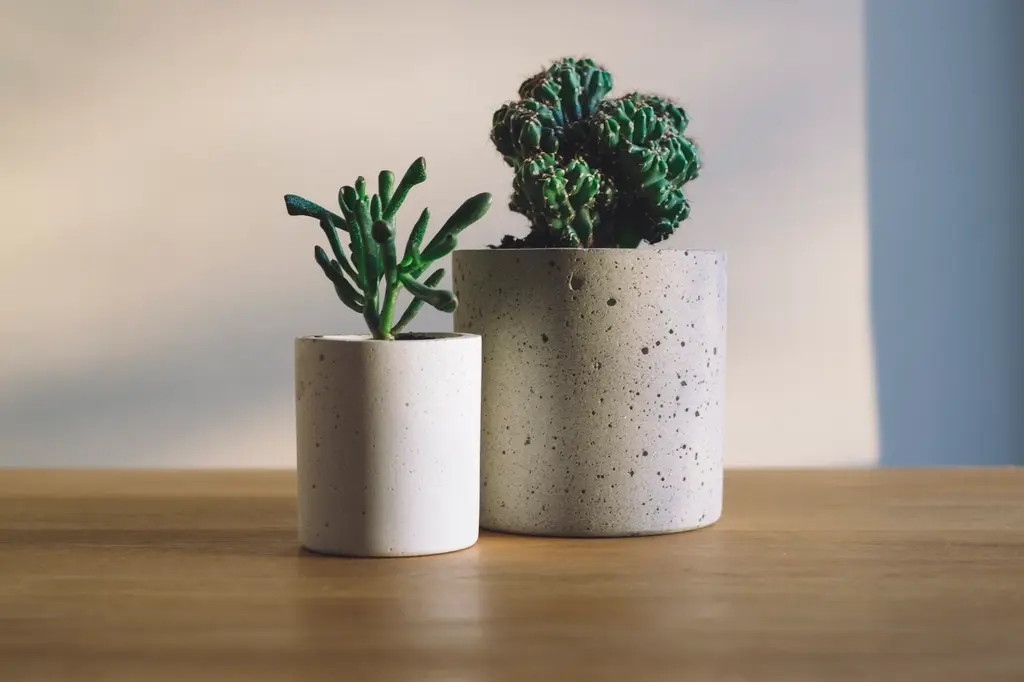
Succulents are a natural fit because they have shallow roots, tolerate dry soil, and come in so many shapes and colors. Hung on a porch post or a sunny fence, a dustpan full of echeveria and trailing sedum becomes a living piece of art.
What you'll need
Tap to check items off as you gather them.
How to make it
Clean the dustpan
Scrub with soapy water and a wire brush to remove dirt and loose rust, then dry it completely. Seal it with a clear matte spray if you want to slow further rust.
Drill drainage holes
Wearing safety glasses, drill several holes along the lowest part of the pan, near the back edge where water will collect when it hangs.
Line the pan
Cut a piece of landscape fabric or coir liner to fit inside the pan. It keeps soil in while letting water drain.
Add soil
Fill the pan most of the way with cactus and succulent mix, packing it gently so it doesn't spill out the front.
Plant the succulents
Set plants in place, larger ones toward the back and trailing ones near the front edge. Firm the soil around each root ball.
Top dress and settle
Tuck sheet moss or pebbles around the plants to hold soil in. Wait about a week before watering so roots can settle.
Hang it securely
Hang the dustpan by its handle from a heavy-duty hook or screw anchored in a stud, post, or fence rail, in a spot with bright light.
Finding the Right Dustpan for a Dustpan Planter
Vintage metal dustpans turn up in barns, garages, and junk piles everywhere. Here's what to look for:
- Deep pans. The deeper the scoop, the more soil it holds, which means happier plants and less frequent watering.
- Sturdy handles. A solid metal or wood handle that's firmly attached is a must, since it will bear the weight of soil and plants.
- Character. Chippy paint, old advertising, and soft rust all add charm. Some older dustpans even have hoods or covers that create a nice deep pocket.
- Solid metal. Avoid pans rusted through in large areas. Small pinholes are fine; they'll just add to the drainage.
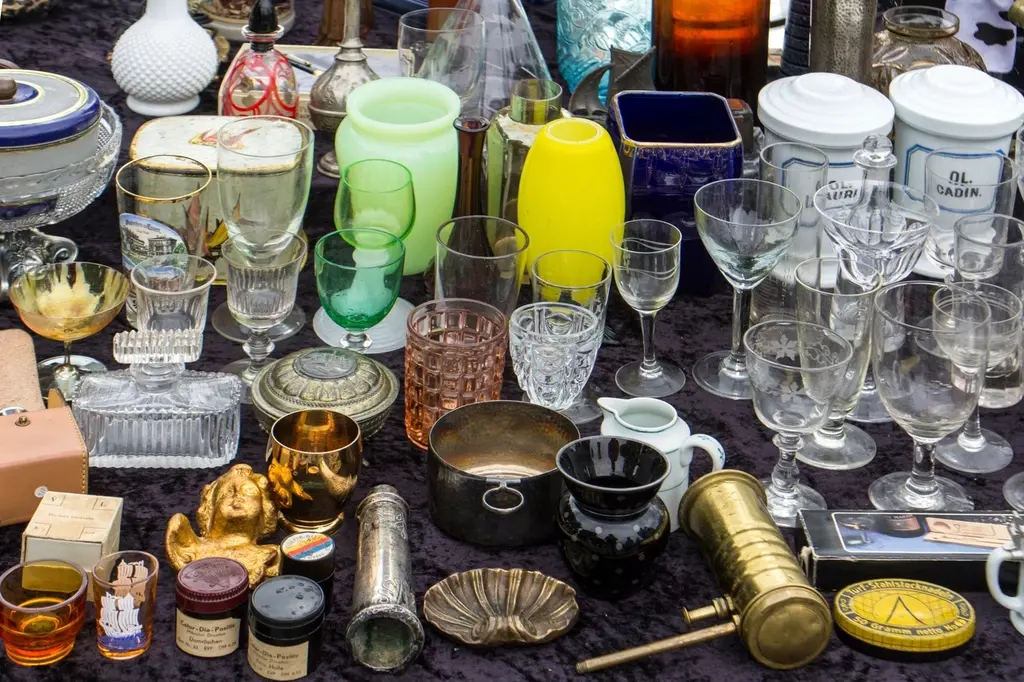
Flea markets, farm sales, and the garage tables at estate sales are the best places to look. Our antique picking tips cover how to spot rusty treasures worth bringing home. Prices typically range from a few dollars for a plain pan to more for colorful or advertising pieces, and condition drives value.
Cleaning and Prepping Old Metal
Wear work gloves while you handle and clean the dustpan; old metal can have sharp edges and rough, flaky rust. Scrub it with warm, soapy water and a wire brush, then dry it right away. If you'd like to remove heavier rust while keeping some patina, our guide on how to remove rust from vintage metal covers gentle methods.
If the dustpan has old paint, keep in mind that older paint may contain lead. Avoid sanding or scraping painted areas unless you've tested them, and keep any chipping pieces away from places where children or pets play. Lining the pan, as described in the steps, also keeps soil from sitting directly against the metal.
Choosing Succulents and Soil
Pick a mix of shapes and habits for the fullest look:
- Rosettes. Echeveria and hens-and-chicks (sempervivum) make lovely focal points. Sempervivum is especially cold-hardy in many regions.
- Trailers. String of pearls, burro's tail, and trailing sedums spill over the front edge beautifully.
- Fillers. Small sedums and jade cuttings fill the gaps.
Always use a fast-draining cactus and succulent mix, not regular potting soil, which holds too much water. Succulents generally want bright light, several hours of sun, and soil that dries out between waterings. In the hot Southern summer, some afternoon shade helps prevent scorching, and in areas with hard freezes, bring tender succulents indoors or treat the planter as a seasonal display.
Planting Tips for a Full, Lush Look
Succulents look best planted fairly close together, which also makes sense in a shallow container. Before you plant, set the potted succulents in the dustpan and move them around until you like the arrangement. Put the tallest plant toward the back near the handle, rosettes in the middle, and trailing plants right at the front lip so they can spill over.
Gently loosen each root ball and shake off some of the nursery soil so the plants fit snugly side by side. Fill any gaps with small cuttings; many succulents root easily from a stem or leaf pressed into dry soil. Because the planter will hang at an angle, fill the soil a little lower at the front and press it down well, then lock it in place with sheet moss or pebbles. Waiting about a week before the first watering gives any roots damaged during planting time to heal, which helps prevent rot.
Design and Styling Ideas
Hang a dustpan planter on a porch post, a garden fence, or a weathered barn-board wall. For a bigger statement, hang two or three at different heights. Indoors, a small dustpan planter can sit on a sunny windowsill or rest flat on a shelf with a tray underneath to catch water.
Not into succulents? Fill your dustpan with herbs like thyme and oregano, spring pansies, or trailing ivy. For fall, swap in mums and mini pumpkins; for winter, a bundle of evergreen clippings, pinecones, and a plaid bow make it a quick seasonal display. Pair it with other repurposed garden pieces like a DIY cloche or an old antique light globe terrarium.
Variations to Try
Try other old containers too: enamelware colanders, rusty buckets, old cake pans, or even a galvanized washtub can become planters using the same steps. Another fun twist is to mount the dustpan to a weathered board with a few screws so it hangs flat and stable against a wall, which works well if the handle is a little wobbly.
Care Tips
Water deeply but infrequently, letting the soil dry out completely between waterings; soggy soil is the most common way succulents fail. Hanging planters dry faster than pots on the ground, so check them more often in summer heat. Pinch off any dead leaves and trim leggy stems to keep things tidy. Every year or two, refresh the soil and replace the liner if it has broken down. Because soil and wet plants are heavy, check the hook and handle each season to be sure everything is still secure.
Frequently asked questions
Does a dustpan planter need drainage holes?
Yes. Succulents rot quickly in soggy soil, so drill several holes in the lowest part of the pan where water collects when it hangs. A fabric liner keeps soil from washing out.
What succulents grow best in a dustpan planter?
A mix of rosettes like echeveria and hens-and-chicks, trailers like string of pearls or sedum, and small fillers looks fullest. Choose cold-hardy types if the planter will stay outside year-round in a cold area.
How often should I water a succulent dustpan planter?
Let the soil dry out completely between waterings, then water deeply. Hanging planters dry faster than ground pots, so check more often in hot weather and less in cool weather.
Will the dustpan keep rusting?
Old metal will continue to rust slowly outdoors. A clear matte sealer slows it down, and a liner keeps damp soil from sitting directly on the metal.
How do I hang a dustpan planter safely?
Use a heavy-duty hook or screw anchored into a stud, post, or solid fence rail. Wet soil is heavy, so check the handle and hardware each season.