Old Window Mirror DIY: Decoupage an Antique Window Frame
An old multi-pane window makes a stunning farmhouse mirror. Here is how to pick one, make it safe, and decoupage the frame with vintage paper.
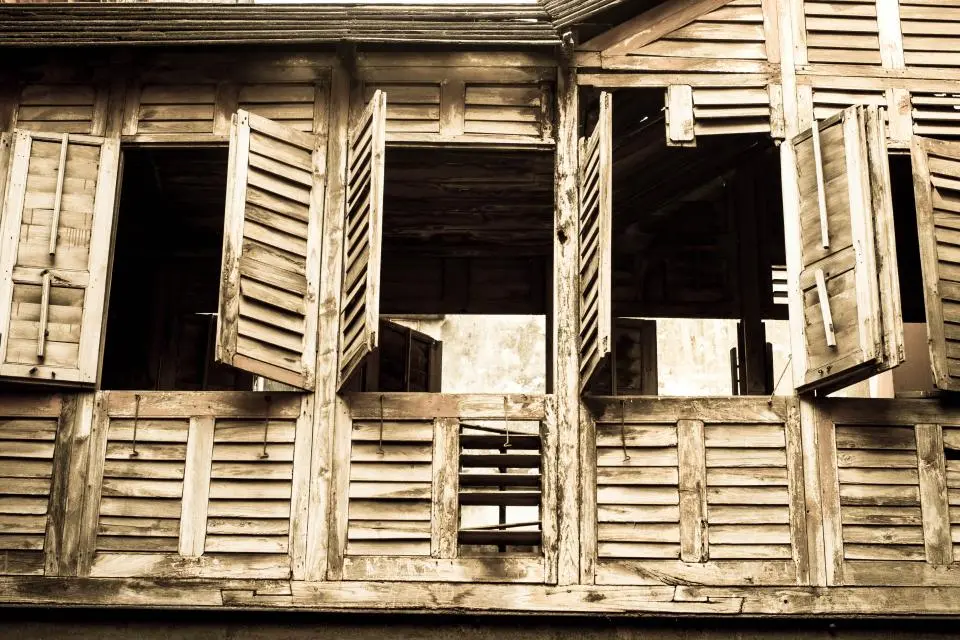
An old window mirror is one of those projects that looks like it came from a high-end antique shop but costs a fraction of the price. The chippy paint, the old wavy wood, and the grid of panes all do the decorating for you. Add a decoupaged frame of yellowed book pages or sheet music, and you end up with a piece no one else has.
We love these above an entry table, at the end of a hallway, or propped on a mantel where they bounce light around a dim room. The process is not hard, but old windows come with a few safety considerations, so read through the whole post before you start scraping.
What you'll need
Tap to check items off as you gather them.
How to make it
Test and assess the window
Use a lead test kit on the paint before you scrape or sand anything. Check that the frame joints are tight and that the wood is not rotted.
Remove or prep the glass
Wearing gloves and glasses, either carefully remove the old panes by softening the putty, or leave them in place if you will use mirror spray paint on the back.
Install the mirror
Set mirror panes cut to size into each opening, secure them with glazier's points and a bead of mirror adhesive. For spray paint, clean the back of the glass thoroughly and apply several light coats.
Plan your paper layout
Tear or cut vintage paper into strips that fit the outer frame and the muntins (the thin bars between panes). Dry-fit everything before you glue.
Decoupage the frame
Brush a thin coat of decoupage medium on a small section, lay the paper down, and smooth it out from the center with a brayer. Brush another thin coat over the top.
Seal and distress
After it dries, add two or three more thin topcoats. Lightly sand the edges with fine grit so the paper softens into the old paint.
Add sturdy hanging hardware
Attach heavy-duty D-rings into solid wood on each side or mount a French cleat. Hang it from a stud or from anchors rated well above the mirror's weight.
Finding the Right Old Window
Salvage yards, architectural salvage shops, barn sales, and estate sales are the best places to find old window sashes. Our guide to antique picking has more on where to look. Prices typically range from very little for a plain single-pane sash to considerably more for a large, intact six- or nine-pane window with original hardware; condition and size drive the cost.
- Pick multi-pane sashes. Four, six, or nine panes create that classic farmhouse look and are easier to fit with small, inexpensive mirror pieces.
- Check the joints. Gently twist the frame. If the corners flex or the muntins rattle, it will need gluing and clamping first.
- Look for solid wood. Push a fingernail into the bottom rail. Soft, punky wood means rot.
- Measure before you buy. Know your wall space. A large sash with mirror glass can get heavy fast.
Old Window Safety: Lead Paint and Glazing
Many windows made before the late 1970s were painted with lead-based paint, and the chippy look we love is exactly what makes that paint a concern. Test before you work. If the paint tests positive, avoid dry sanding and heavy scraping, which create dust. Instead, wipe the frame down with a damp cloth, leave the original paint intact, and lock it under the decoupage medium and sealer. Keep kids and pets away from the work area and clean up with damp paper towels rather than sweeping.
Some older glazing putty can also contain hazardous materials, including asbestos in certain older compounds. If you would rather not disturb the old glazing, use the spray-paint method on the existing glass instead of removing it. Always wear gloves and safety glasses around old glass, which can be brittle and crack unexpectedly.
Real Mirror or Mirror-Effect Paint?
Real mirror glass gives a crisp, true reflection and is the best choice for an entry mirror you will actually check your hair in. Mirror-effect spray paint, applied to the back of the existing glass, gives a softer, mercury-glass look with a little haze and speckle. It is lighter, easier, and leaves the old glazing undisturbed, though the reflection is not as sharp. Both are lovely; it comes down to how you plan to use the piece.
Decoupage Design Ideas
The decoupage is where you make the old window mirror your own. A few combinations we like:
- Hymnal pages. Tea-stain them first using our tea stained hymn pages method for a warm, aged tone.
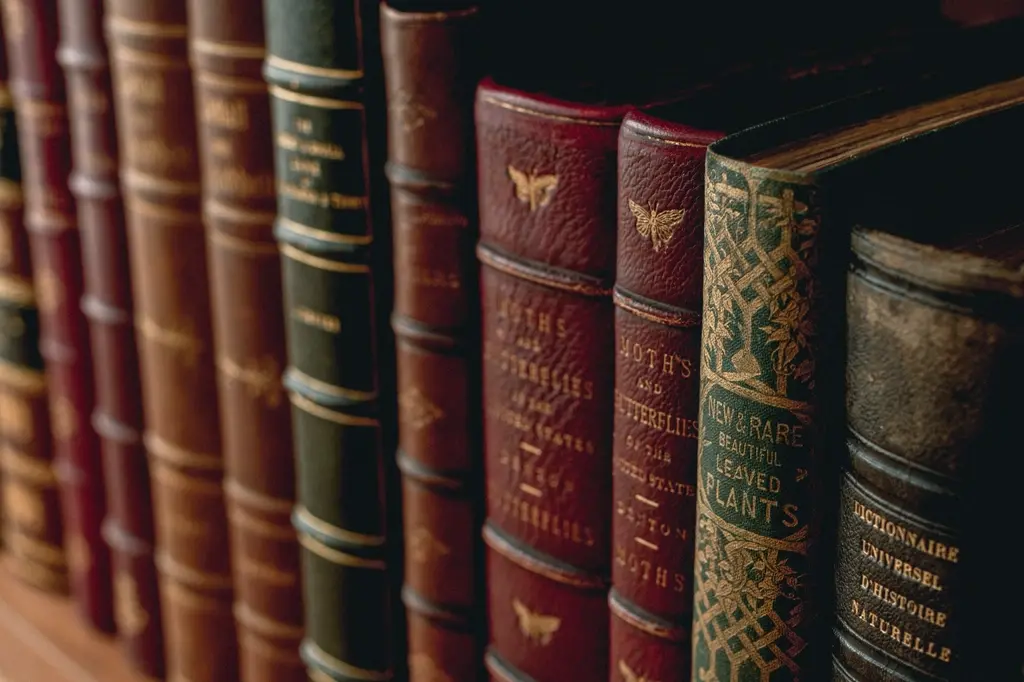
- Old book text. Damaged, water-stained books are perfect here. Check our post on book page decor for more ways to use them.
- Vintage maps. A map of your hometown or a favorite vacation spot along the outer frame makes a great conversation piece.
- Seed catalog or botanical prints. Printed copies of public-domain botanical illustrations bring in soft color.
- Muntins only. For a subtle look, decoupage just the thin bars between panes and leave the outer frame in its original paint.
Use copies or already-damaged paper rather than cutting up intact, valuable books or sheet music. A home printer and a quick tea stain make convincing reproductions.
Variations on the Old Window Mirror
- Half and half. Mirror the top panes and slip vintage photos or pressed flowers into the bottom ones.
- Coat rack mirror. Screw a row of old vintage door knobs or hooks along the bottom rail for an entry catch-all.
- Seasonal wreath mirror. Hang a small wreath from a ribbon over the center muntin and change it with the seasons.
- Shelf topper. Mount a narrow shelf board across the top for a candle or a small plant.
- Painted frame instead. Skip the paper and give the frame a fresh coat of chalk-style paint, then sand the edges lightly for a timeworn finish (only on paint that has tested lead-free).
Whatever version you choose, style it simply. An old window mirror already has a lot of texture, so a lamp, a crock of greenery, or a short stack of books below it is usually all it needs.
Hanging and Care
A finished old window mirror can easily weigh more than you expect, so hang it into a wall stud or use anchors rated well beyond its weight. Heavy-duty D-rings screwed into the side stiles, or a French cleat, are much safer than a single sawtooth hanger. For leaning displays, set it on a stable surface and secure the top to the wall so it cannot tip.
To clean, spray glass cleaner onto a cloth rather than directly onto the mirror, so liquid does not run onto the decoupage or soak into the old wood. Dust the frame with a dry, soft brush. Keep it out of steamy bathrooms unless you have sealed the paper with several extra topcoats.
Frequently asked questions
Do I need to remove the old glass to make a window mirror?
No. You can leave the original glass in place, clean the back thoroughly, and apply mirror-effect spray paint for a soft, antiqued reflection. Remove the glass only if you want a crisp, true mirror with real mirror panes.
How can I tell if an old window has lead paint?
You cannot tell by looking. Use an inexpensive lead test kit from a hardware store on each layer of paint. Many windows painted before the late 1970s contain lead, so assume old paint is hazardous until a test says otherwise.
What paper works best for decoupage on wood?
Thin, uncoated paper like book pages, sheet music, and printer paper soaks into decoupage medium and lies flat easily. Thicker or glossy paper can bubble; dampen it slightly and use a brayer to smooth it out.
How heavy is an old window mirror?
It depends on the size and number of panes, but a mid-size sash with mirror glass is often heavy enough that it should be hung into a stud or with heavy-duty anchors. Weigh it on a bathroom scale before choosing hardware.