Rustic DIY Cloche for Spring From Thrifted Glass
Turn a thrifted glass vase and a vintage knob into a rustic cloche for showing off spring moss, nests, and little treasures.
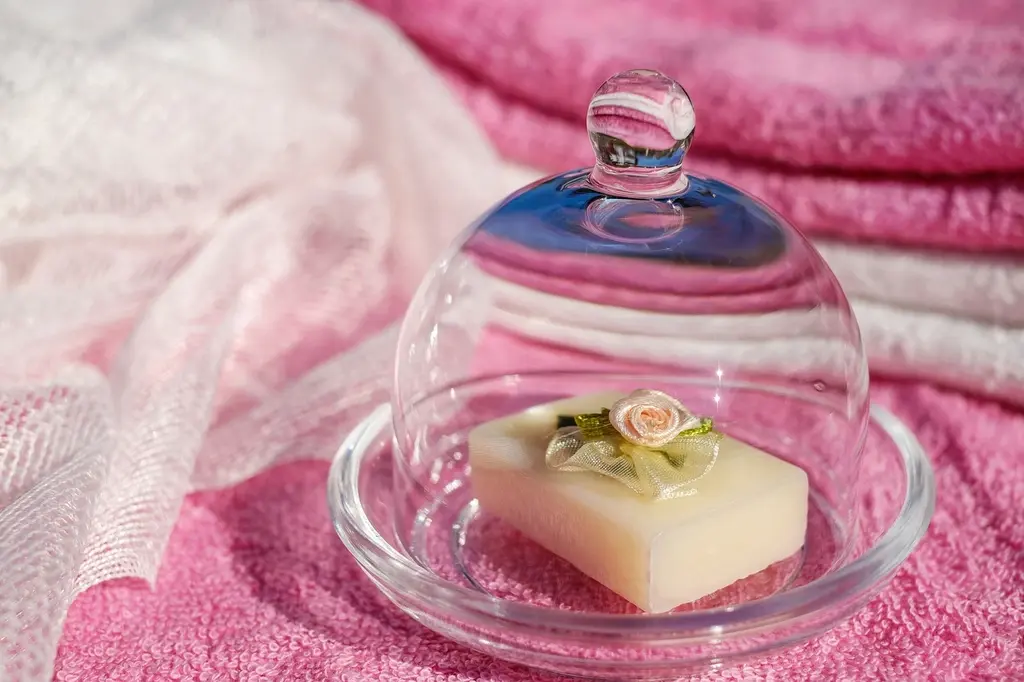
A glass cloche turns almost anything into a little display worth looking at twice. A bird's nest, a handful of moss, an old pocket watch, or a few speckled eggs suddenly feel special under glass. Store-bought cloches can be pricey, but a DIY cloche made from a thrifted vase and a vintage knob costs just a few dollars and has far more character.
We love this project for spring because it brings a little bit of the garden indoors while the weather is still deciding what it wants to do. It's also one of the quickest ways to freshen up a mantel, a coffee table, or a tiered tray without buying a whole new set of decorations.
What you'll need
Tap to check items off as you gather them.
How to make it
Choose and clean the glass
Pick a vase or jar with a flat, closed bottom. Wash it, then wipe the bottom with rubbing alcohol so the glue bonds well.
Prep the knob
Remove the screw from the knob if it has one, or file it flush. Clean the knob's back with rubbing alcohol.
Glue on the handle
Mix a small amount of epoxy, apply it to the knob's back, and press it to the center of the vase's bottom. Hold it steady or prop it so it doesn't slide.
Let it cure
Leave it undisturbed for the full cure time listed on the glue, usually 24 hours, before lifting the cloche by the knob.
Prepare the base
Sand a wood slice smooth and stain or paint it if you like. Make sure it's wider than the mouth of your glass.
Fill and display
Arrange moss, a nest, eggs, or other treasures on the base and lower the cloche over them.
Finding the Right Glass for a DIY Cloche
The key is a clear glass piece with one open end and one closed, flat end. Turned upside down, the closed end becomes the top of the cloche. Good candidates include:
- Straight-sided vases. Thrift stores always seem to have a shelf full of clear florist vases in every size.
- Large glass canisters or jars. Big apothecary jars without their lids work well, and old glass jars with a little wavy glass add vintage charm. Our post on vintage jars to look for can help you spot the good ones.
- Glass lamp shades and light globes. Many old light globes have a closed top and make lovely cloches; see our ideas for antique light globes.
- Cake domes without handles. If you find a cake dome missing its knob, you've found a cloche.
Look for glass without cracks, chips around the rim, or deep scratches. Small bubbles and slight waviness in older glass are part of the charm.
Choosing a Knob and Base
The knob is the jewelry of your cloche, so have fun with it. Glass, porcelain, wood, and brass knobs all work, as long as the back is fairly flat so the glue has good contact. Small drawer pulls and old cabinet knobs from salvage bins are perfect. If you already made our door knob tree, you might have a leftover knob or two in the coffee can.
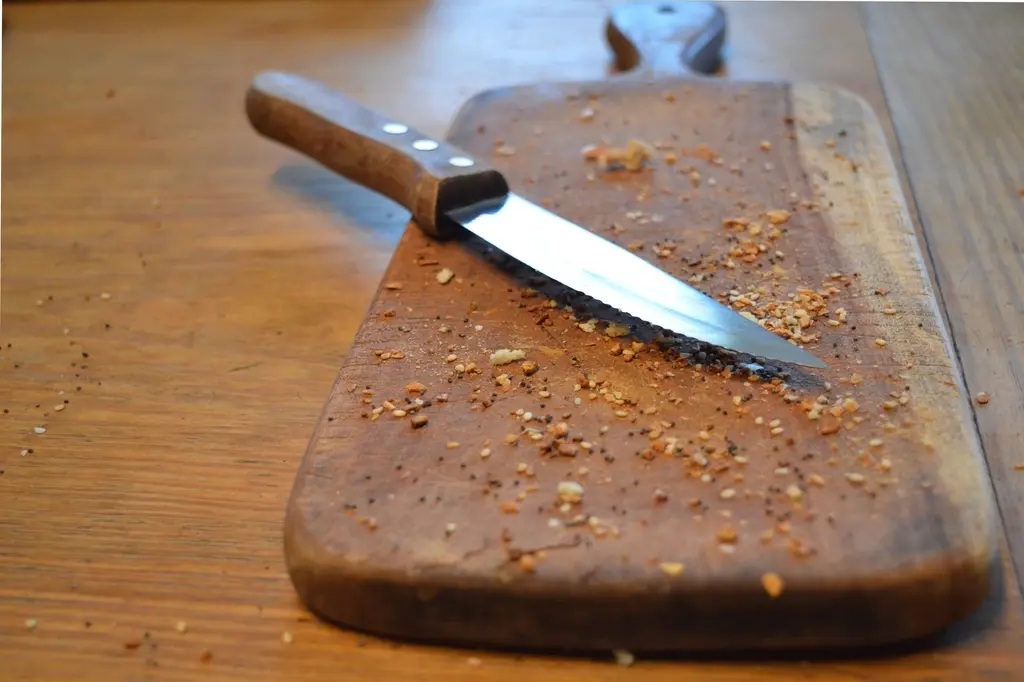
For the base, anything a little wider than the mouth of your glass will do: a sanded wood slice, a small vintage cutting board, a pressed-glass plate, an ironstone saucer, or a candle plate. Wood looks rustic, while glass and ironstone feel more cottage. Add small felt pads underneath to protect furniture.
Gluing Tips for a Sturdy DIY Cloche Handle
The knob joint is the only weak point on a homemade cloche, so it's worth doing carefully. Most cabinet knobs have a threaded hole in the back or a screw sticking out. If there's a screw, remove it; if there's a threaded post that won't come out, you can file or cut it flush, or choose a knob with a flat back instead. The more of the knob's back that touches the glass, the stronger the bond.
Clean both surfaces with rubbing alcohol and let them dry. Lightly scuffing the spot on the glass with very fine sandpaper can help the glue grip, and the knob will cover the scuffed area. Mix only a small amount of epoxy, since too much will squeeze out and look messy. Set the vase upside down on a towel, center the knob, and use a bit of painter's tape to keep it from sliding while it cures. Wipe away any squeeze-out with a cotton swab and alcohol before it sets.
Spring Filling Ideas
- Nest and eggs. A faux bird's nest with speckled eggs on a bed of moss is a spring classic.
- Garden treasures. A tiny clay pot, a vintage seed packet, and a mini trowel make a sweet gardener's vignette.
- Spring blooms. Faux or dried flowers like lavender, ranunculus, or tulips look lovely and last all season.
- Collections. Old keys, buttons, marbles, or a stack of tiny vintage books get new attention under glass.
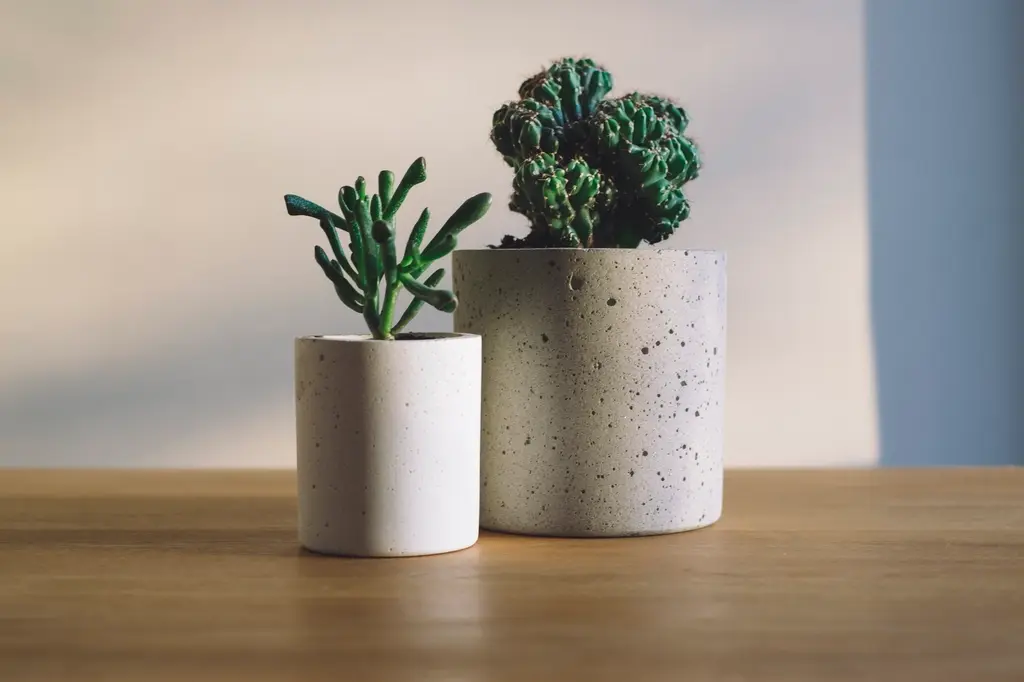
- Succulents. Small succulents can be displayed under a cloche for short periods; see the care notes below.
Variations to Try
Make a set of three cloches in different heights for a mantel grouping. Swap the contents with the seasons: pumpkins and acorns in fall, a little bottle-brush tree and snow in winter, and seashells in summer. For a farmhouse look, glue a small wooden spool or a vintage drawer pull on top instead of a knob. You can even turn a glass cloche into a sweet keepsake display for a baby's first shoes or a wedding cake topper.
Care and Safety Notes
Glass is fragile, so handle your cloche by the knob only after the glue is fully cured, and support the glass with your other hand when moving larger pieces. Inspect the knob joint each season; if it loosens, clean off the old glue and reattach it.
Never place a cloche over a lit candle. Trapped heat can crack the glass and is a fire hazard. Be careful with sunny windowsills too: a closed glass dome can get very warm in direct sun, which can cook live plants and fade fabrics or paper inside. If you use live succulents or moss, keep the cloche out of harsh direct sun, lift it often to let air circulate, and don't leave live plants sealed for long stretches, since trapped moisture can cause rot and mold. Wipe the glass inside and out with a soft cloth to keep it sparkling.
Frequently asked questions
What can I use to make a DIY cloche?
Any clear glass piece with one closed, flat end works: a straight-sided vase, a large glass canister, a cake dome missing its knob, or an old light globe. Glue a vintage knob to the closed end and set it over a base.
What glue holds a knob on a glass cloche?
Use a clear two-part epoxy or an adhesive labeled for glass and metal. Clean both surfaces with rubbing alcohol first and let the glue cure for the full time on the label before lifting the cloche.
Can I put live plants under a cloche?
For short periods, yes, but closed glass traps heat and moisture. Keep it out of harsh direct sun, lift the cloche often to let air in, and watch for mold or rot.
Can I put a candle under a glass cloche?
No. A lit candle under a cloche traps heat that can crack the glass and create a fire hazard. Use a battery-powered LED candle instead.