How to Remove Rust from Vintage Metal Without Ruining It
Rust doesn't have to be the end of a good find. Start gentle, match the method to the metal, and protect your work when you're done.
Rust shows up on just about every good junk find: old tools, hinges, cast iron skillets, enamelware, tins and garden pieces. Knowing how to remove rust from vintage metal without stripping away the character (or the value) is one of the most useful skills a picker can have. The golden rule is simple: start with the gentlest method that might work, test it in an inconspicuous spot, and only step up to stronger treatments if you need to.
Below we'll cover how to decide whether to remove rust at all, the gentle dry methods, household soaks like vinegar and citric acid, special cases like painted tins and cast iron, and how to keep rust from coming back.
First, Decide Whether to Remove the Rust at All
Not every bit of rust needs to go. Before you grab the steel wool, ask a few questions:
- Is it valuable as-is? Antique collectors often prefer original surfaces. Aggressive cleaning on a collectible tin, sign or tool can lower its value. If you suspect a piece is valuable, research it first.
- Is it rust or patina? A stable, dark, even surface on iron or a soft brown tone on old steel is often patina, which many people love. Flaky, orange, powdery rust is active and worth addressing.
- Is the piece painted or lithographed? Rust under paint is tricky. Many removal methods will lift the paint along with the rust.
- What will you use it for? A decorative hinge on a shelf needs less work than a skillet you'll cook in or a tool you'll actually use.
Safety Before You Start
Rusty metal can have sharp, ragged edges, so wear sturdy gloves. Safety glasses are a good idea any time you brush, scrape or sand, since rust flakes and wire bristles can fly. Work in a well-ventilated area, especially with commercial products.
Be cautious with old painted pieces. Paint made before 1978 may contain lead, so don't dry-sand or wire-brush old paint indoors. Use a lead test kit from the hardware store if you're unsure, keep dust down by working damp, and keep kids and pets away from the work area. Never mix cleaning chemicals, and keep vinegar and other acids away from bleach.
Gentle Dry Methods for Light Rust
For surface rust, a little elbow grease often does the trick:
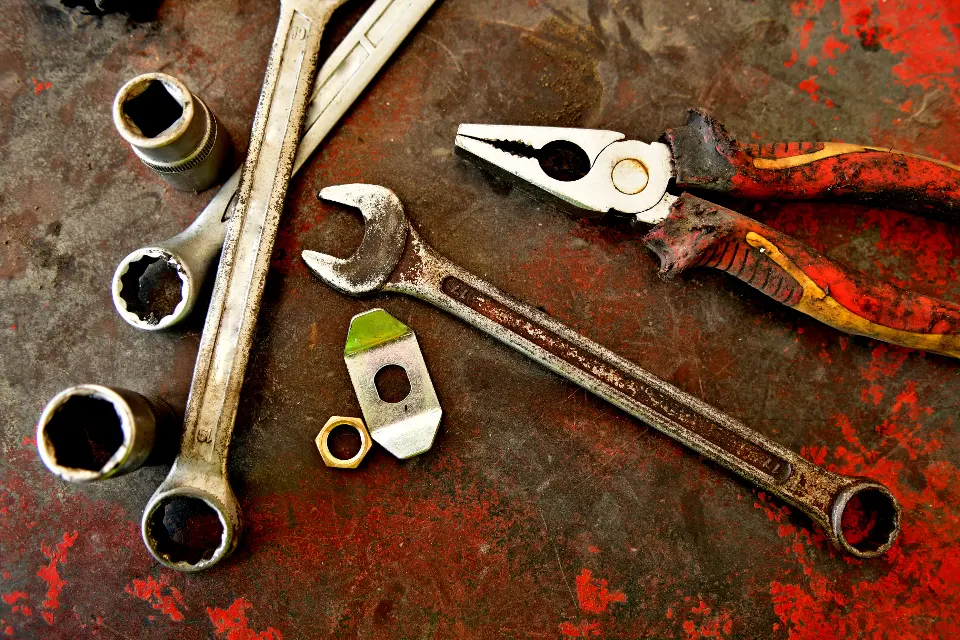
- Fine steel wool (#0000): The finest grade removes light rust with minimal scratching on bare iron and steel. Work in small circles and wipe away dust as you go.
- Brass-bristle brush: Softer than steel brushes, brass is good for textured surfaces like cast details and hardware.
- Plastic or wooden scraper: Lifts flaking rust without gouging the metal underneath.
- Crumpled aluminum foil and water: An old trick for light rust spots on chrome. Dip the foil in water and rub gently. It's mild enough for vintage chrome chairs, trim and kitchen pieces.
How to Remove Rust from Vintage Metal with Household Soaks
When rust is heavier or worked into nooks you can't scrub, a soak can loosen it. These work best on bare, unpainted iron and steel.
White vinegar
Plain white vinegar is mildly acidic and dissolves rust over time. Submerge small items like hardware, keys or tools in a container of vinegar. Check after an hour, then every few hours. Light rust may loosen quickly, while heavy rust may need overnight. Don't forget about it, though: left too long, vinegar can etch the metal and leave it dull and gray.
After soaking, scrub with a brush or steel wool, then rinse. Many folks follow with a quick rinse in water mixed with a little baking soda to neutralize the acid, then rinse again in plain water.
Citric acid
Citric acid powder (sold for canning and cleaning) mixed with warm water works similarly to vinegar and is popular for tools. Follow the package directions, check progress frequently and rinse well afterward.
Baking soda paste
For spots you can't submerge, mix baking soda with a little water into a paste, spread it on the rust, let it sit, and scrub with a brush or steel wool. It's gentle and works best on lighter rust.
Lemon and salt
Sprinkle coarse salt on a rust spot, squeeze lemon juice over it, let it sit a few hours, then scrub. It's an old-fashioned method that works on small spots.
Commercial rust removers
Hardware stores carry soak-type rust removers, some marketed as gentler on paint and skin. These can be a good option for valuable or delicate pieces, but read the label carefully, follow directions exactly, and test first.
Special Cases
Painted and lithographed tins
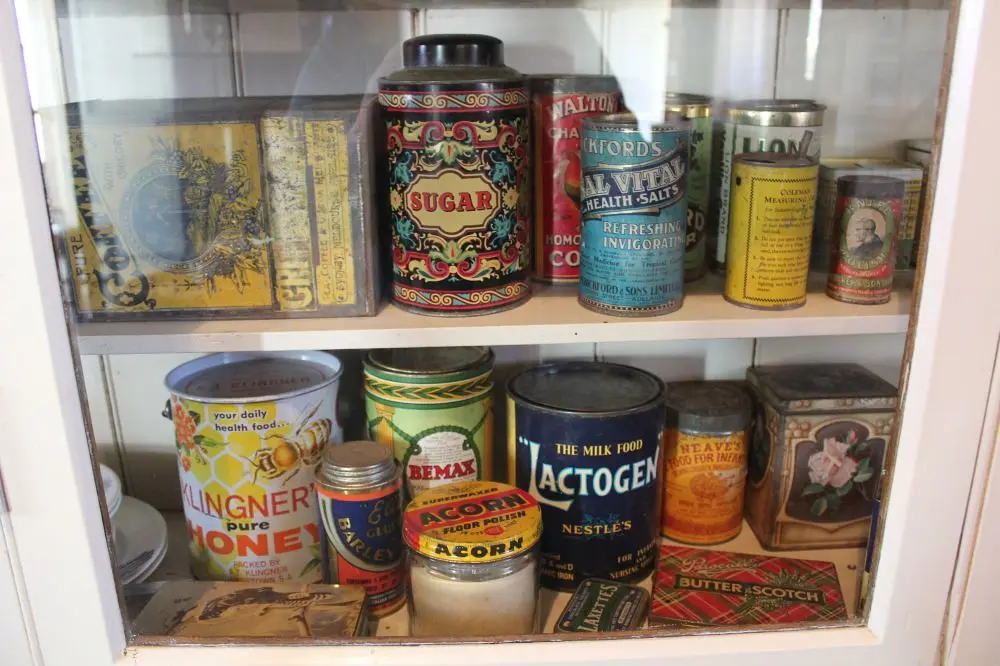
Go very easy on tins. Acids and soaks will lift lithographed paint, and steel wool will scratch it. For rust on a lithographed area, many collectors simply leave it alone. For rust inside a tin or on bare edges, use a cotton swab with a tiny bit of a gentle cleaner, dry immediately, and protect with a thin coat of paste wax. If a tin might be valuable, check our vintage tobacco tin value guide before you clean anything.
Cast iron skillets
Cast iron is forgiving. For a rusty skillet, scrub with steel wool and soapy water, or soak in a 50/50 mix of white vinegar and water, checking every 30 minutes or so. Once the rust is gone, rinse, dry completely on the stovetop, then rub with a thin coat of cooking oil and bake it upside down in the oven to re-season. Never leave cast iron soaking for long periods.
Enamelware
Rust on enamelware usually appears where the enamel has chipped. You can gently clean the exposed spot, but you can't truly restore the enamel. For pieces used as decor, a dab of wax over the chip slows further rust. Chipped enamelware is best kept for display rather than cooking.
Chrome and nickel plating
Plating is a thin layer, so avoid abrasive pads and long acid soaks. The foil-and-water method or a gentle chrome polish is usually the safest bet.
Drying and Protecting Your Work
Freshly cleaned bare metal can flash-rust within hours if left wet, so dry everything immediately. A hair dryer or a few minutes in a warm (not hot) oven helps for small all-metal hardware. Then pick a protective finish that suits the piece:
- Paste wax: Buffs to a soft sheen and is easy to reapply. Great for decorative pieces, tins and tools.
- Light machine oil: Good for tools and moving parts.
- Clear matte sealer: For outdoor or high-touch decor, a clear coat helps lock in the look. Choose matte or satin to keep a natural feel.
- Cooking oil seasoning: For cast iron used in the kitchen only.
Keeping Rust from Coming Back
Here's a quick way to match a method to what you're working on:
| Piece | Start with | Step up to |
|---|---|---|
| Bare iron tools and hardware | #0000 steel wool or brass brush | Vinegar or citric acid soak |
| Cast iron cookware | Steel wool and soapy water | Short 50/50 vinegar soak, then re-season |
| Lithographed tins | Leave printed areas alone | Swab bare spots, then wax |
| Chrome and plated pieces | Foil and water | Gentle chrome polish |
| Enamelware | Gentle wipe of chipped spots | Wax over chips to slow rust |
Moisture is the enemy. Store metal pieces somewhere dry, not in a damp basement or uncovered porch. Wipe decorative pieces down occasionally and refresh wax once or twice a year. For outdoor displays, bring smaller pieces in during wet seasons or give them a fresh coat of clear sealer each spring.
If you're bringing home rusty treasures from a weekend of picking, our antique picking tips can help you decide what's worth the effort in the first place. And if your haul included old jars with rusty zinc lids or stained rims, our guide on how to clean old jars pairs nicely with this one.
With a gentle hand and a little patience, most rusty finds can be brought back to a state you'll be proud to display, without losing the honest age that made you love them in the first place.
Frequently asked questions
What is the safest way to remove rust from vintage metal?
Start with the gentlest option: fine #0000 steel wool or a brass brush for bare metal, tested on a hidden spot first. Move to a short white vinegar or citric acid soak only if needed, then dry immediately and protect with wax or oil.
How long should I soak rusty metal in vinegar?
Check after about an hour, then every few hours. Light rust may loosen quickly, while heavier rust can take overnight. Don't leave pieces for days, since vinegar can etch the metal, and rinse and dry well afterward.
Can I remove rust from a painted or lithographed tin?
Be very careful. Acids, soaks and steel wool can lift lithographed paint and reduce value. Many collectors leave rust on printed areas alone and only gently clean and wax bare edges or interiors.
How do I keep metal from rusting again after cleaning?
Dry it completely right away, then apply a protective coat such as paste wax, light machine oil or a clear matte sealer. Store pieces somewhere dry and refresh the wax periodically.
Is it safe to sand old painted metal?
Paint from before 1978 may contain lead, so avoid dry sanding or wire brushing old paint, especially indoors. Use a lead test kit if you're unsure, work damp to keep dust down, and keep children and pets away from the area.