Vintage Tobacco Tin Value Guide: What Makes a Tin Worth More
Some old tobacco tins are worth a few dollars and others draw serious bids. Here's how collectors judge type, graphics and condition.
Old tobacco tins are some of the most colorful finds at any flea market, and they're everywhere: tucked in toolboxes, holding buttons in a sewing drawer, rattling with screws on a garage shelf. If you've picked one up and wondered about its vintage tobacco tin value, the honest answer is that it depends on a handful of factors that collectors weigh together. Most tins are affordable and fun to collect. A few are genuinely scarce. Learning what separates the two will help you buy smarter and price what you already own.
We'll cover the main types of tins, the factors that drive value, how condition is graded, how to research real-world prices and how to avoid paying antique prices for a modern reproduction.
The Main Types of Tobacco Tins
Tobacco was sold in many container shapes from the late 1800s through the mid-1900s, and shape matters a great deal to collectors.
- Vertical pocket tins: Upright, slightly curved tins with a hinged lid, designed to slip into a shirt or vest pocket. These are among the most collected forms, and certain brands and graphics are highly sought after.
- Flat pocket tins: Thin, rectangular tins that held a small amount of tobacco. Many are common, though early or unusual designs can draw interest.
- Canisters and humidors: Larger round or square tins, often with a slip or screw lid, sold for home use. Prince Albert's tall canisters are a familiar example.
- Lunch-box and pail tins: Some brands sold tobacco in tins shaped like lunch boxes or small pails with wire handles, meant to be reused. They're popular for their graphics and practicality.
- Figural and novelty tins: Tins shaped like people or objects are scarce and tend to command strong prices when in good condition.
What Drives Vintage Tobacco Tin Value
Rarity and brand
Big national brands such as Prince Albert, Velvet, Sir Walter Raleigh and Half and Half were produced in very large numbers, so many of their tins are common. That doesn't make them worthless, but it keeps typical prices modest. Small regional brands, short-lived designs and tins made for a limited market are harder to find, and scarcity pushes value up when there's collector demand behind it.
Graphics and eye appeal
Collectors pay for great artwork. Bold lithographed images of people, animals, airplanes, sporting scenes or patriotic themes tend to outpace plain text designs. Crossover appeal matters too: a tin featuring an early airplane may attract aviation collectors as well as tobacco collectors, widening the pool of buyers.
Age and printing method
Generally, older tins with fine detailed lithography are more desirable than later, simpler designs, but age alone doesn't guarantee value. A common tin from the 1950s and a common tin from the 1920s may both sell for similar amounts if neither is scarce. For Prince Albert specifically, details like wording, tax markings and lid style help place a tin in its era. Our Prince Albert tin dater walks you through those clues.
Completeness
Original lids, hinges that still work, and intact paper labels or tax stamps add to value. A pocket tin missing its lid loses much of its appeal. Tins that still contain original sealed product are uncommon and can interest collectors, though you shouldn't use or sample any old contents.
Condition (the biggest factor)
Condition can swing value more than anything else. The same tin might be a few dollars in rough shape and many times that in excellent condition. That's why collectors spend so much time on grading.
How Collectors Grade Condition
Many tin and advertising collectors use a numbered condition scale running from C1 (very poor) to C10 (mint). You'll see it in auction listings and price guides. In everyday terms:
| Grade | Typical description |
|---|---|
| C9 to C10 | Near mint to mint. Bright color, strong gloss, no meaningful scratches, dents or rust. |
| C8 | Excellent. Minor wear or light scratches visible on close inspection. |
| C7 | Very good. Noticeable but not distracting wear, small scratches or a tiny dent. |
| C6 and below | Average to poor. Fading, rust spots, dents, heavy scratching or paint loss. |
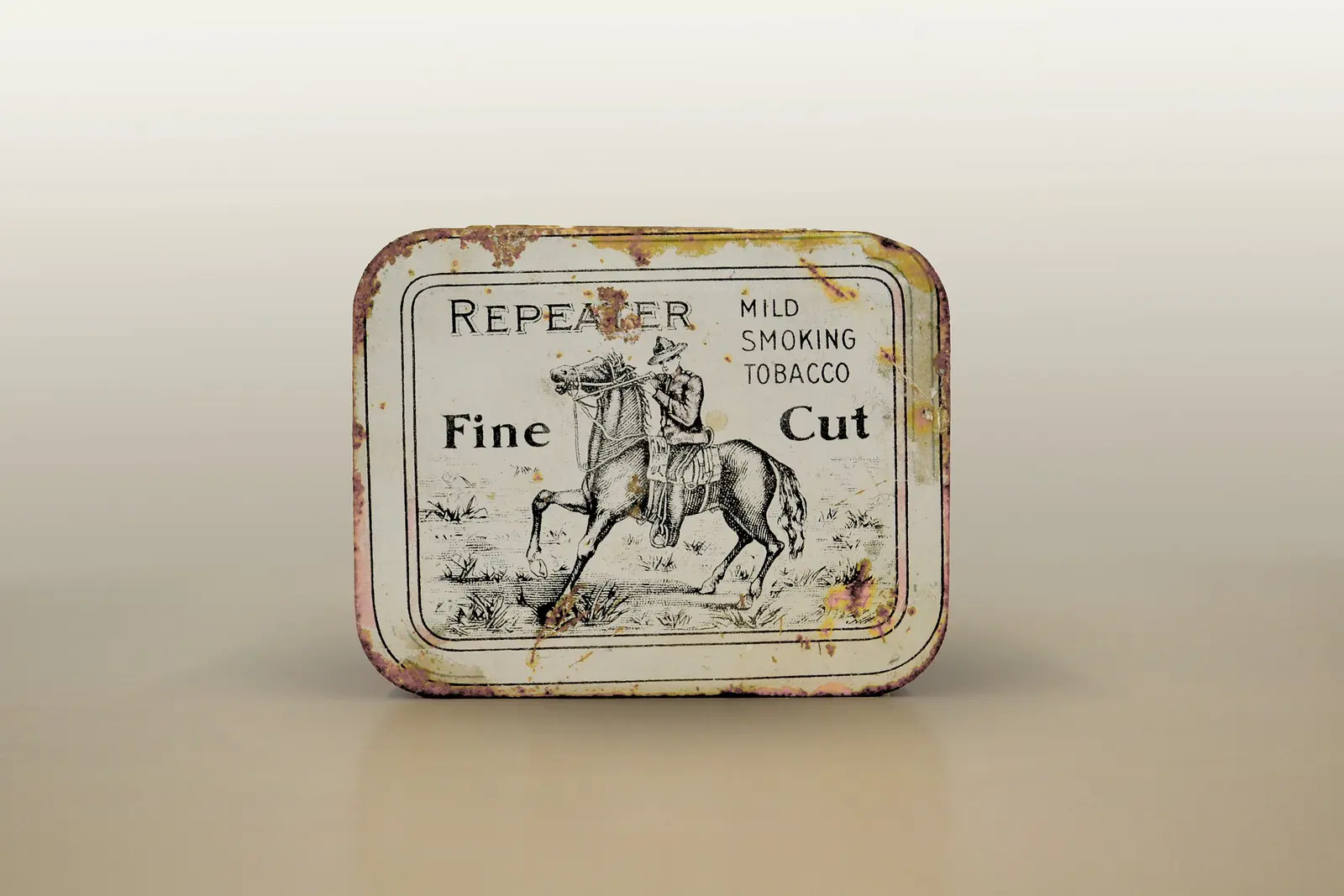
Grading is somewhat subjective, so look at the tin in good natural light from every side, including the bottom and the inside of the lid. Common problems include rust bloom on the edges, dents along the seams, scratches from years of being carried in pockets, fading from sunlight and old price tags or tape residue.
Typical Price Ranges (With a Big Grain of Salt)
We won't pretend there's a single price list, because values shift with demand and condition. As a general sense of the market:
- Common tins in average condition typically sell in the single digits to around twenty dollars. Many later Prince Albert canisters and flat pocket tins fall here.
- Better tins in nice condition with appealing graphics or less common brands typically sell in the tens of dollars.
- Scarce tins in excellent condition, especially desirable vertical pocket tins and figural tins, can reach into the hundreds, and the rarest examples have sold for more at specialty auctions.
Those ranges are rough. Two tins that look alike at a glance can differ in value because of a small variation in wording, color or size, which is why research matters.
How to Research What Your Tin Is Worth
- Identify it carefully. Note the brand, any slogans, the tin's shape and size, the lid style, and any manufacturer or can-maker marks along the bottom edge.
- Look at sold prices, not asking prices. Anyone can ask any price. Completed sales on online marketplaces and auction results show what buyers actually paid.
- Match condition honestly. Compare your tin only with examples in similar condition. A C9 sale doesn't set the price for a rusty C5.
- Check collector references. Advertising and tobacco tin price guides and collector clubs are helpful for identifying variations, though printed prices can be dated.
- Ask a specialist for high-end pieces. If you think you have something unusual, a reputable advertising or antique auction house can give a more informed opinion.
Watch Out for Reproductions
Popular tobacco graphics have been reproduced on new tins and tin signs for decades. Some are sold honestly as decor; others get passed off as old. Red flags include very bright, flat color with a modern sheen, crisp edges with no wear where hands would have rubbed, "aging" or rust that looks painted on or appears evenly all over, and a tin that feels lighter or thinner than comparable old ones. Our guide on how to spot reproduction antiques goes deeper into these clues.
Spotlight: Prince Albert Tins
Prince Albert is easily the most recognized tobacco tin in America, thanks to the brand's long run and the famous "do you have Prince Albert in a can?" prank call. Because so many were made, most Prince Albert tins are affordable, which makes them a great starting point for new collectors. Earlier examples, unusual sizes and tins in excellent condition draw more interest. For the full story of the brand, design changes over the years and how to date one, see our flagship guide to Prince Albert in a can.
Displaying and Storing Your Tins
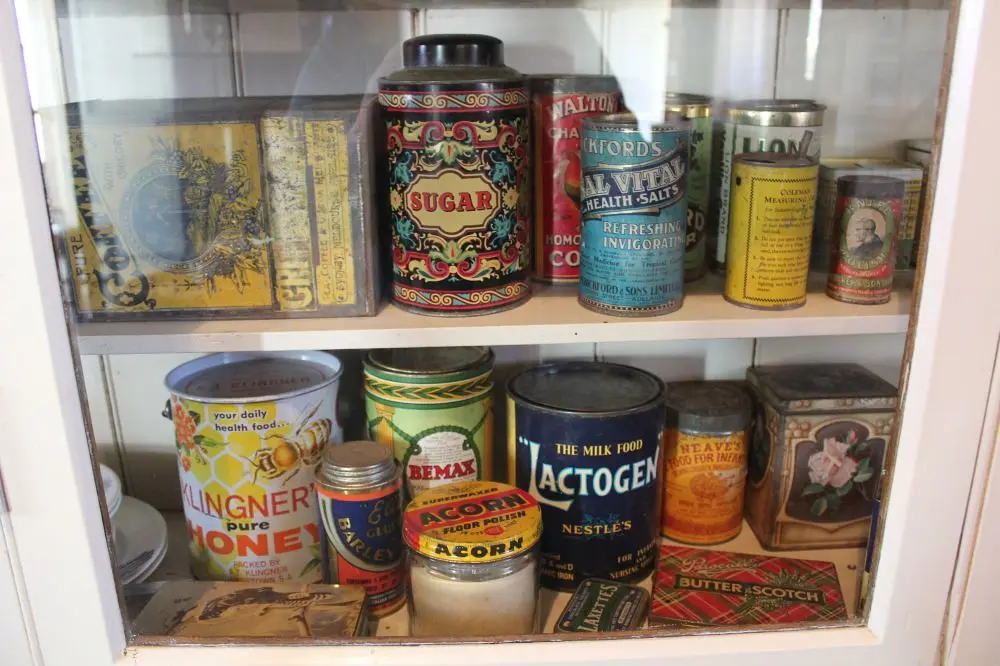
Whatever their value, tins look wonderful grouped together. Keep them out of direct sunlight, which fades lithography, and away from damp basements or porches where rust can start. A dry shelf, a glass-front cabinet or a vintage spice rack makes a fine display. If a tin is common and already worn, there's no harm in giving it a second life holding pencils, matches or kitchen odds and ends. Save the careful handling for the pieces in top condition.
Collecting tobacco tins is a hobby you can enjoy on almost any budget. Learn the shapes, train your eye for condition, and check sold prices before you buy, and you'll know a bargain when you see one.
Frequently asked questions
How much is a vintage tobacco tin worth?
Most common tobacco tins typically sell for a few dollars up to around twenty, while scarce tins in excellent condition can reach hundreds or more. Brand, shape, graphics, completeness and especially condition all affect the price. Check sold listings for tins in similar condition before deciding.
Which tobacco tins are most valuable?
Collectors tend to pay the most for scarce vertical pocket tins, figural tins and tins with outstanding graphics from smaller brands. Condition still rules, so even a desirable design loses much of its value if it's rusty, dented or faded.
Are Prince Albert tins worth anything?
Most Prince Albert tins are common because so many were made, so typical prices are modest. Earlier variations, unusual sizes and tins in excellent condition are worth more. Our Prince Albert tin dater can help you place yours in its era.
Should I clean an old tobacco tin before selling it?
Usually it's best to do very little. Aggressive cleaning or rust removal can lift the lithographed paint and lower value. A gentle dusting is fine, and serious collectors generally prefer honest wear over a tin that's been scrubbed or repainted.
How can I tell if a tobacco tin is a reproduction?
Look for overly bright, flat color, crisp edges with no handling wear, artificial-looking rust or aging applied evenly, and thin lightweight metal. Compare with known authentic examples and buy higher-value tins from sellers who stand behind what they sell.