Easy Vintage Spice Tin DIY: Mini Planters and Bud Vases
Those colorful old spice tins at the flea market make charming little succulent planters and bud vases for a sunny kitchen window.
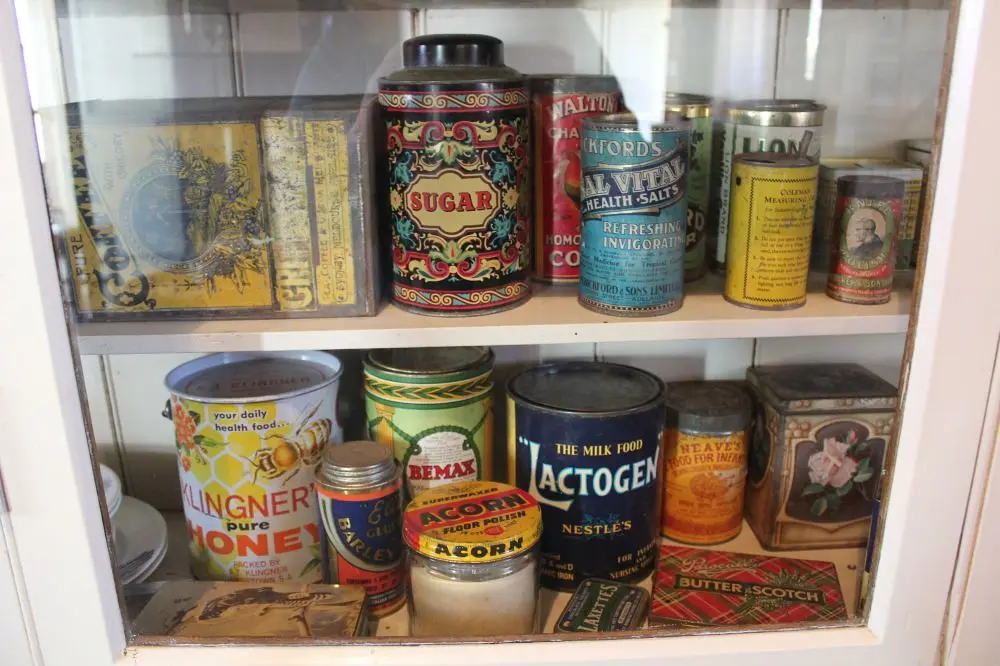
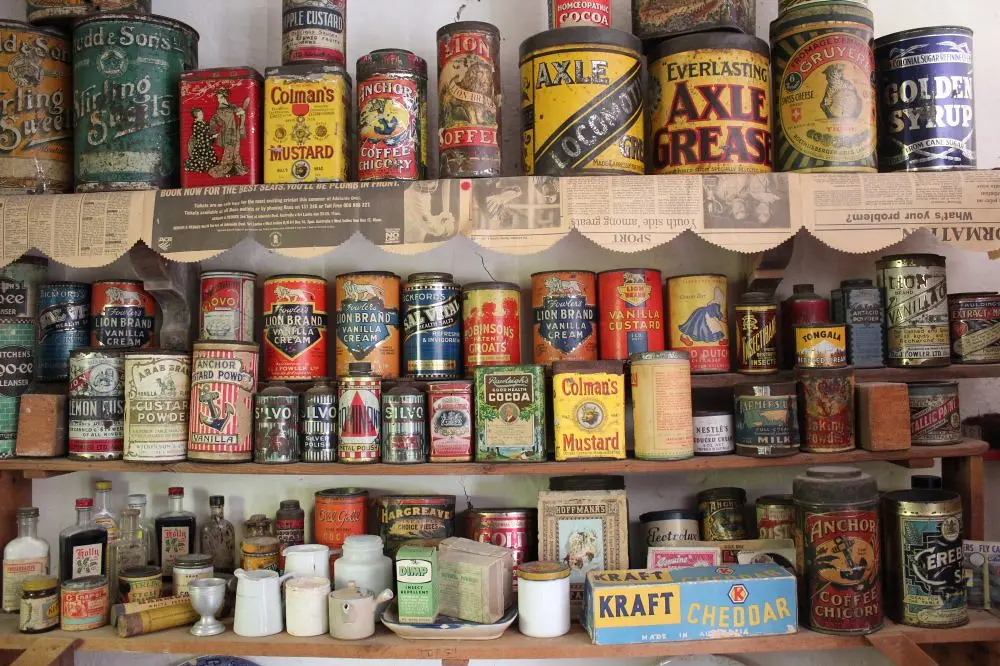
Old spice tins are some of the most cheerful things you'll find at a flea market. The bold lettering, bright reds and blues, and little illustrations of cinnamon sticks and peppercorns have a graphic charm that's hard to resist. This vintage spice tin project turns a handful of them into mini succulent planters or bud vases for a sunny kitchen window, so you can enjoy them every day instead of keeping them packed away.
It's an easy afternoon project with no drilling required. We use a pebble layer for drainage and a clear sealer to slow rust, and for cut flowers we tuck a little glass vial inside so the tin itself never holds water.
Round up a few tins and follow the steps below.
What you'll need
Tap to check items off as you gather them.
How to make it
Inspect the tins
Check each tin for sharp edges, holes and rust, and set aside any with valuable graphics or unusual brands before you alter them.
Clean gently
Wash with warm soapy water and a soft cloth, scrub stubborn spots with a toothbrush, and dry immediately and thoroughly to prevent new rust.
Address the rust
Rub loose surface rust from the inside with fine steel wool, wipe away the dust, and leave the printed outside alone as much as possible.
Seal the tins
Spray the inside and outside with a clear sealer in light coats, outdoors, and let them cure fully as directed on the can.
Add drainage layer
Drop a half inch of pebbles in the bottom of each tin so water has somewhere to collect away from the roots.
Plant
Fill with succulent mix, tuck in a small succulent or cutting, firm the soil, and top with a few more pebbles.
Or make bud vases
For flowers instead, slip a small glass vial or tiny jar inside the tin, fill the glass with water, and add a few short stems.
Arrange and display
Group the tins on a sunny windowsill, a narrow board or a tray, varying heights and colors for interest.
Finding the Right Vintage Spice Tin
Spice tins turn up at antique malls, flea markets, estate sales and even in the back of grandma's cabinet. You'll typically see a lot of mid-century store brands and regional grocers, along with nationally known spice companies. Look for:
- Bright, clean graphics. Some fading and scratching is part of the charm, but legible lettering makes the biggest impact.
- Sound bottoms. Rust spots are fine; rust-through holes will leak soil.
- A mix of sizes. Tall rectangular tins, squat round ones and little flip-top shakers look great together.
- Matching sets. A run of tins from the same brand makes a tidy, unified display.
Prices typically run low for common tins and higher for scarce brands, early lithographed designs or tins in excellent condition. Condition and rarity drive value, so if a tin looks unusually old or rare, consider leaving it unaltered. Our post on vintage tobacco tin value explains many of the same things collectors look for in old lithographed tins.
Cleaning and Rust: Safety First
Old tins usually come with a little grime and some rust. Clean them with mild soap and water and dry them right away; never soak a lithographed tin, since water can lift the printed finish and speed up rust. Scrub only the inside with steel wool and be gentle on the printed surface.
A few safety reminders:
- Wear gloves. Rusty metal and old seams can have sharp edges. If you cut yourself on rusty metal, clean it well and check with a doctor about whether you need a tetanus booster.
- Don't reuse for food. Very old tins may have lead solder or worn coatings, so we treat them as decor only and don't store spices or food in them.
- Ventilate. Spray sealers should be used outside or in a well-ventilated area.
For heavier rust, our guide on how to remove rust from vintage metal covers gentle methods that are kinder to old paint and lithography.
Design and Styling Ideas
Spice tins look best in groups. A few ideas:
- Windowsill row. Line up five or six planted tins along a kitchen window that gets bright light.
- Board display. Glue a row of tins to a narrow piece of barn wood or an old cutting board with strong construction adhesive and lean it against the backsplash.
- Tiered tray. Mix tins with small crocks and a mini cutting board on a tiered tray.
- Table runner. Use bud vase tins with a few stems each down the center of a long farmhouse table.
When you group tins, think about color first. A row of all-red tins looks bold and graphic, while a mix of mustard, cream and faded blue feels softer and more cottage-style. Turn the most interesting labels to the front and put the tallest tins in the middle or at one end, stepping down in height. If your tins are different brands, repeating one plant variety across all of them ties the collection together.
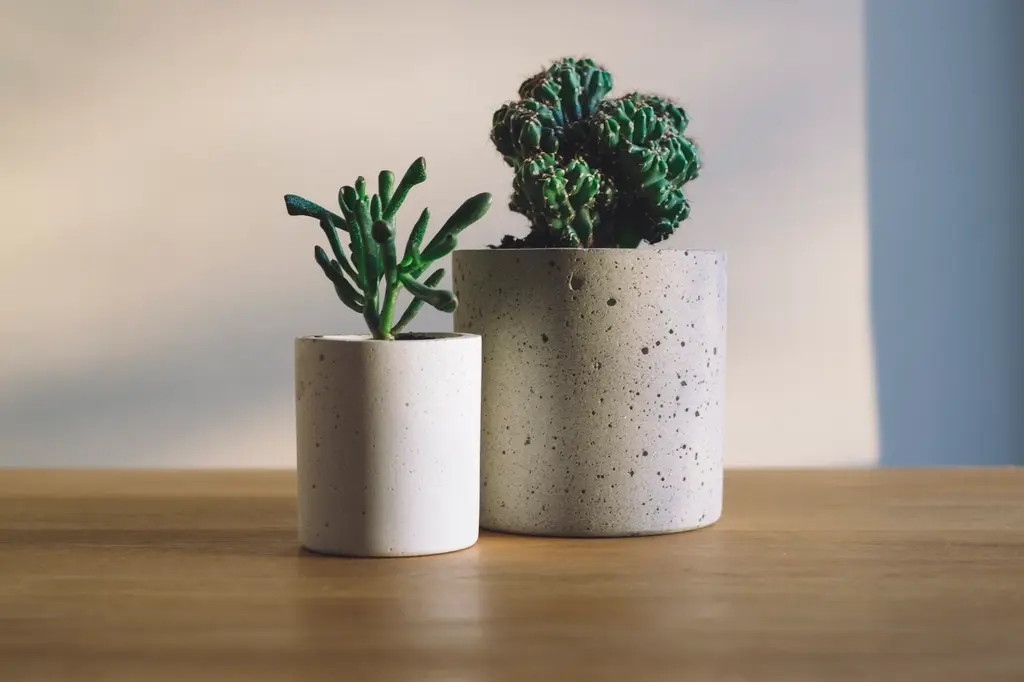
Succulents with small rosettes, like echeveria and sempervivum, fit tins well, as do trailing plants like string-of-pearls. Fresh herbs are tempting, but they need more soil and water than a small tin can give them.
Variations to Try
- Magnetic spice board. Glue magnets to the backs of empty tins and arrange them on a metal sheet or old baking pan as a decorative wall piece.
- Pencil and utensil caddy. Larger tins hold pens, paintbrushes or small kitchen tools.
- Candle holders. Set battery tea lights inside short tins for a soft glow without open flame.
- Dustpan pairing. Arrange tins on an old dustpan with more succulents; see our dustpan planter project for that idea.
Plant Care in Tins
Because these tins don't drain, watering is the most important part. Give succulents just a small splash of water every week or two, and only when the soil is fully dry. Too much water pools in the pebbles and causes root rot and rust. Bright, indirect light or a few hours of morning sun keeps succulents compact and colorful.
If a succulent starts to stretch tall and pale, it wants more light; move it closer to the window. Leaves that turn soft, yellow or translucent usually mean too much water, so let the tin dry out completely before watering again. Every so often, tip the tin gently to check that no water is sitting in the pebble layer.
For bud vases, change the water in the glass vials every couple of days and wipe up any drips on the tin right away. With a little care, your tins will look good for years. For more ways to give flea market finds a second life, take a look at our DIY project finder.
Frequently asked questions
Are vintage spice tins safe for storing food?
We recommend using them for decor only. Very old tins may have lead solder or worn interior coatings, and rust can contaminate contents, so keep food and spices in modern containers.
How do I keep plants from rusting the tin?
Seal the inside with a clear sealer, add a layer of pebbles for drainage, and water sparingly. For cut flowers, place a small glass vial inside so the tin never holds water.
Are vintage spice tins valuable?
Most common spice tins are typically inexpensive, but scarce brands, early lithographed designs and tins in excellent condition can bring more. Condition and rarity drive value, so research unusual tins before altering them.
What plants grow well in small tins?
Small succulents such as echeveria, sempervivum and haworthia do well because they need little soil and water. Leafy herbs usually need larger containers with drainage.