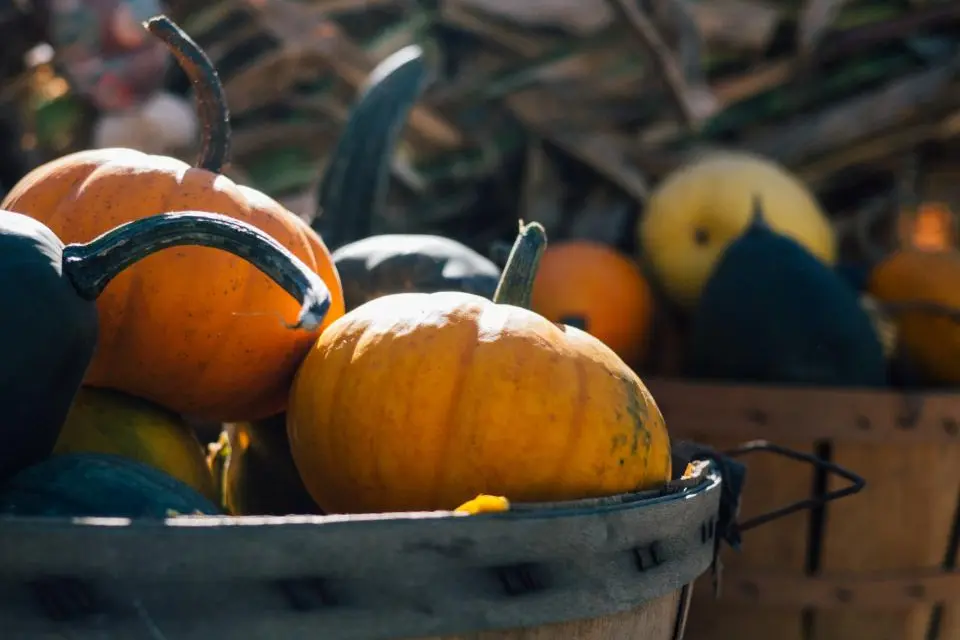
Easy Vintage Funnel Pumpkin DIY for Fall
An old kitchen or garage funnel turns into a whimsical, rust-kissed pumpkin with a little paint, twine, and a curl of wire.
Some of our favorite fall decorations come from the back of the garage, not the craft store. A funnel pumpkin is a perfect example: turn an old metal funnel upside down, and the cone becomes a whimsical pumpkin body while the spout becomes a ready-made stem. Add a little twine and a curl of wire, and you've got a rustic decoration with real farmhouse charm.
It's a stylized pumpkin, not a realistic one, and that's the fun. Grouped together in different sizes and finishes, funnel pumpkins look like a little patch of folk-art gourds on your mantel or porch table. They're quick, inexpensive, and a great way to use a vintage piece that's too rusty or dented to do its old job.
What you'll need
Tap to check items off as you gather them.
How to make it
Clean the funnel
Scrub with warm, soapy water and a stiff brush, then dry it right away so fresh rust doesn't form. Knock off loose rust with steel wool, wearing gloves.
Decide on paint or patina
Leave the original metal for a rustic pumpkin, or prime and paint the outside in light coats. Let paint dry fully between coats.
Add pumpkin ribs
Glue lengths of twine from the rim up to the base of the spout, spaced evenly around the funnel, to create the look of pumpkin sections.
Wrap the stem
Wind twine tightly around the spout from bottom to top, gluing as you go, so it looks like a rustic pumpkin stem.
Add a vine and leaf
Wrap wire around a pencil to make a curly tendril, then twist it around the base of the stem. Glue a burlap or faux leaf alongside it.
Display
Set the funnel rim-side down on a shelf, mantel, or tray and group it with real pumpkins, books, or other vintage finds.
Finding the Right Funnel for a Funnel Pumpkin
Old funnels turn up everywhere once you start looking. Kitchen funnels, canning funnels, oil funnels, and big galvanized farm funnels all work, and each gives a different look:
- Tin and galvanized funnels. These have that silvery gray patina that looks beautiful left natural. Larger farm funnels make bold centerpieces.
- Enamelware funnels. White, red, or speckled graniteware funnels add color without paint. A little chipping only adds character.
- Canning funnels. Wide-mouth canning funnels are short and squat, so they make plump little pumpkins. Pair them with old jars for a canning-themed display.
- Funnels with handles or hanging rings. A small loop on the side makes a fun detail, like a pumpkin with a story.
Check flea markets, farm auctions, and the tool tables at estate sales; funnels are often tossed into box lots with old kitchen or garage items. Our estate sale tips and antique picking tips explain how to hunt through those boxes. Plain funnels are typically inexpensive, while bright enamelware or unusual shapes can cost more, and condition drives the price.
Cleaning Vintage Metal Safely
Old metal often has sharp edges, rough seams, and flaky rust, so wear work gloves while you clean and handle your funnel. Scrub with warm, soapy water, rinse, and dry right away, either with a towel or in the sun. If you want to knock back heavy rust while keeping the patina, our guide on how to remove rust from vintage metal walks through gentle options.
A few safety notes: funnels that held oil, fuel, or chemicals should be cleaned very thoroughly before they come indoors, and painted funnels may have old lead-based paint, so avoid sanding painted surfaces unless you've tested them. If a rusty edge cuts you, clean the wound well and check with a medical professional if you have concerns about tetanus.
Design Ideas and Finishes
How you finish your funnel pumpkin depends on the look you love:
- Natural patina. Just clean, seal, and add a twine stem. Gray galvanized pumpkins look wonderful next to white and green real pumpkins.
- Classic orange. Prime and paint in a burnt orange, then dry-brush a little brown on the ribs for depth.
- Heirloom colors. Cream, pale sage, and dusty blue mimic heirloom pumpkin varieties and feel softer than bright orange.
- Chippy farmhouse. Paint the funnel, then lightly sand the edges so metal peeks through.
- Fabric-wrapped. Glue strips of burlap, ticking, or old quilt fabric over the cone for a cozy, textured look.
Styling Your Funnel Pumpkins
Group funnel pumpkins in odd numbers, like three or five, and vary the heights. Set the smallest one on a stack of old books to lift it up. They look great in a dough bowl with dried corn husks and pinecones, lined up along a mantel with a garland of dried leaves, or tucked into a wooden crate on the porch next to real pumpkins and a few mums.
Painting Tips for Old Metal
If you decide to paint, prep makes all the difference. After cleaning, rub the outside with fine steel wool to knock off loose rust and give the surface some tooth, then wipe it down with a damp rag and let it dry completely. A spray primer made for metal, especially a rust-inhibiting one, helps the paint grip and keeps rust from bleeding through later.
Spray paint in several light coats from 10 to 12 inches away, letting each one dry before the next. Heavy coats run down the cone and pool at the rim. If you prefer a brushed look, chalk-style paint goes on easily over primer and distresses nicely. For a more realistic pumpkin, dry-brush a slightly darker shade into the "creases" beside each twine rib and a lighter shade along the high points. It's a small step that gives the flat cone real dimension.
Because they're metal, they hold up outdoors on a covered porch, though rain will speed up rust on unsealed pieces. Paired with our jello mold pumpkin, they make a fun collection of "kitchen pumpkins" for a fall vignette.
Variations to Try
Stack two funnels, a large one on the bottom and a smaller one on top, to create a tall, stacked pumpkin tower. Use a tiny metal funnel as a stem on a fabric pumpkin. Or skip pumpkins altogether and turn a large funnel into a witch's hat for Halloween with black paint and a band of ribbon. At Christmas, painted green and topped with a star, a funnel becomes a quick little tree.
Care and Storage
Store funnel pumpkins in a dry spot, wrapped in newspaper or set in a box so the twine stems don't get crushed. Damp basements will encourage new rust, so a closet shelf is better. A quick dusting and a fresh leaf each fall keep them looking good for years.
Frequently asked questions
What kind of funnel makes the best funnel pumpkin?
Any metal funnel works. Galvanized and tin funnels give a rustic gray look, enamelware adds color, and wide canning funnels make short, plump pumpkins. Mix sizes for the best display.
Do I have to paint a funnel pumpkin?
No. Many people prefer the natural patina of old metal. Just clean it, seal it with clear matte spray, and add a twine stem and leaf.
How do I keep a rusty funnel from staining furniture?
Clean off loose rust, then spray the funnel with a clear matte sealer. Set it on a felt pad, wood slice, or tray for extra protection.
Can funnel pumpkins go outside?
They can sit on a covered porch. Rain will speed up rust on unsealed metal, so bring them in during storms and store them dry after the season.