Repurposed Yardstick Decor: A Simple Yardstick-Framed Sign
Old hardware-store yardsticks make a perfect frame for a chalkboard or painted sign, with all the numbers and faded lettering you love.
Wooden yardsticks were once handed out free at nearly every hardware store, lumberyard and feed store, printed with the business name and a phone number with just a few digits. Today they turn up at flea markets and estate sales in bundles, and they make some of the most charming yardstick decor around. This project uses a few of them to frame a chalkboard or a painted sign, perfect for a kitchen menu, a craft room or a mudroom message board.
It's a simple build: a thin panel, a coat of paint, and yardsticks mitered and glued around the edge. The numbers and faded advertising do all the decorating for you.
Round up your yardsticks and follow the supplies and steps below.
What you'll need
Tap to check items off as you gather them.
How to make it
Prep the panel
Lightly sand the plywood or hardboard, wipe off the dust, and roll or brush on two to three coats of chalkboard paint or your base color, letting each coat dry.
Plan the layout
Lay the yardsticks around the edges of the panel and slide them until you like which numbers and lettering show at the corners.
Measure and mark
Measure each side of the panel and mark the yardsticks for 45-degree miters, keeping the outside edges of the frame flush with the panel edge.
Cut the miters
Cut each piece in a miter box with a fine-tooth saw, cutting slowly so the thin wood doesn't splinter, and dry-fit all four before gluing.
Attach the frame
Glue the yardsticks to the panel and clamp them or weigh them down with books, then secure with a few small brad nails through the yardsticks.
Add a second row if you like
For a wider frame, add a second row of yardsticks inside the first, offsetting the numbers for interest.
Finish and hang
Lightly sand any sharp corners, attach a sawtooth hanger to the back, and season a chalkboard by rubbing chalk over it and wiping it off before writing.
Finding the Right Yardsticks for Yardstick Decor
Old yardsticks are easy to find if you dig a little. Look in tool bins at estate sales, in barrels at flea markets, and in the back of junk shops. Farm auctions and garage clean-outs are good sources too. When choosing yardsticks, look for:
- Advertising. Hardware stores, lumber companies, feed mills and banks all printed their names on yardsticks. Local businesses from your own town are especially fun.
- Clear numbers. Faded is fine, but legible numbers make the frame look like a frame and not just old wood.
- Straight, sound wood. Warped or cracked yardsticks are hard to cut and glue cleanly.
- Interesting colors. Some yardsticks were painted in red, yellow or green, which adds a nice pop.
A Word About Collectible Yardsticks
Most old yardsticks are common and typically inexpensive. However, some advertising yardsticks are collected, particularly those with scarce brands, older graphics or excellent condition. Condition, rarity and local interest drive value. If you find one that looks unusually old or striking, it may be worth keeping it whole and displaying it on its own rather than cutting it. For cutting, save the common ones and the damaged pieces.
Design and Styling Ideas
A yardstick frame can hold just about anything. A few ways to use it:
- Kitchen chalkboard. Write the weekly menu, a grocery list or a favorite family recipe.
- Painted sign. Paint the panel cream and stencil a simple word like GATHER or a family name.
- Photo board. Cover the panel with burlap or cork and pin up snapshots and cards. Our vintage photo holder project pairs nicely nearby.
- Mirror frame. Glue yardsticks around a flat mirror for a playful sewing room or craft room mirror. Our old window mirror project has more mirror ideas.
Before you glue anything down, play with the layout. Some people like the numbers running in the same direction all the way around, like a true measuring frame, while others prefer to show off the advertising on the most visible top and bottom pieces. Try lining up the "1" of each yardstick at a corner for a tidy look, or mix and match brands and colors for something more eclectic. Take a quick photo of each arrangement on your phone so you can compare them side by side.
Paint color matters, too. A classic black chalkboard is timeless and makes the yellowed yardsticks pop. A deep green chalkboard looks like an old schoolhouse board, and a cream or white painted panel gives a lighter cottage feel that works nicely with hand-stenciled lettering.
Hang it in a kitchen, craft room or laundry room, or lean it on a shelf with crocks and old tools. A yardstick frame looks especially good in a room with other measuring tools, like sewing tapes, old rulers and a vintage scale.
Variations to Try
- Yardstick star. Cut five equal lengths and glue them into a five-point star for a rustic wall hanging.
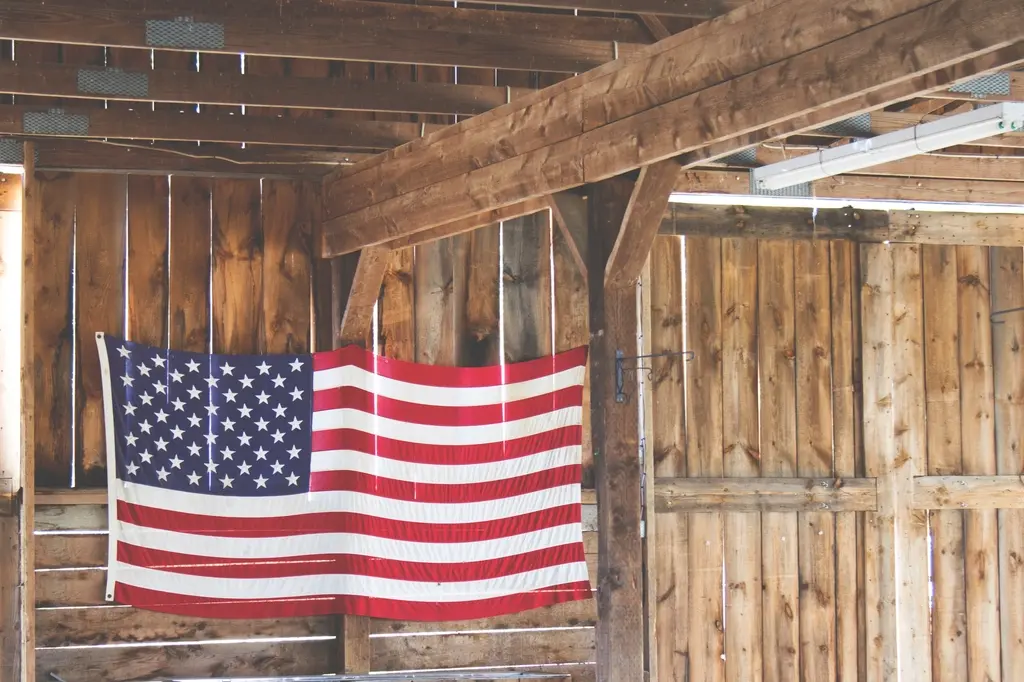
- Yardstick flag. Paint alternate yardsticks red and cream for stripes and add a blue field with stars. Our rustic patriotic decor project uses the same idea with barn wood.
- Growth chart. Glue yardsticks end to end on a long board to record kids' heights. Mount it so the first number matches the actual height from the floor.
- Yardstick tray. Glue short pieces around a wood base for a little serving tray or catchall.
- Wall shelf. Add a strip of yardstick to the front edge of a simple wall shelf for a measuring-tape trim.
Care and Safety Notes
Yardsticks are thin and can splinter when cut, so cut slowly with a fine-tooth saw and wear safety glasses. Clamp the yardstick in a miter box rather than holding it close to the blade. Some old yardsticks were painted, and painted pieces from before 1978 could contain lead paint, so avoid sanding painted surfaces heavily; a light scuff of sharp edges is enough. Wear a dust mask if you do sand.
If you've made a chalkboard version, season it before the first use by rubbing the side of a piece of chalk over the entire surface and wiping it off with a dry cloth. This keeps your first message from leaving a permanent ghost image. Clean it with a barely damp cloth, keeping water off the yardsticks so the printing stays crisp.
Hang the finished sign with a hanger and wall anchor rated for its weight, and keep it out of direct sunlight to keep the printing from fading further. A light dusting is all it needs. If you're on the hunt for more yardsticks and old tools, our estate sale tips will help you find them, and the blog has more repurposing projects.
Frequently asked questions
Where can I find old wooden yardsticks?
Estate sales, flea markets, junk shops, farm auctions and garage clean-outs are the best sources. They often turn up in tool bins and barrels, sometimes in bundles.
Are vintage yardsticks valuable?
Most are common and typically inexpensive, but some advertising yardsticks with scarce brands, older graphics or excellent condition are collected. Condition and rarity drive value, so keep any unusual ones whole.
How do I cut a yardstick without splintering it?
Use a fine-tooth saw in a miter box and cut slowly, letting the saw do the work. Wrapping painter's tape around the cut line also helps reduce splintering.
How do I clean old yardsticks?
Wipe them with a barely damp cloth and dry them right away. Avoid soaking or scrubbing, which can lift the printed numbers and old finish.