How to Make Faux Bread Loaves for Farmhouse Kitchen Decor
Golden, crusty-looking loaves that never go stale: make faux bread from salt dough to style your bread board, dough bowl or open shelves.
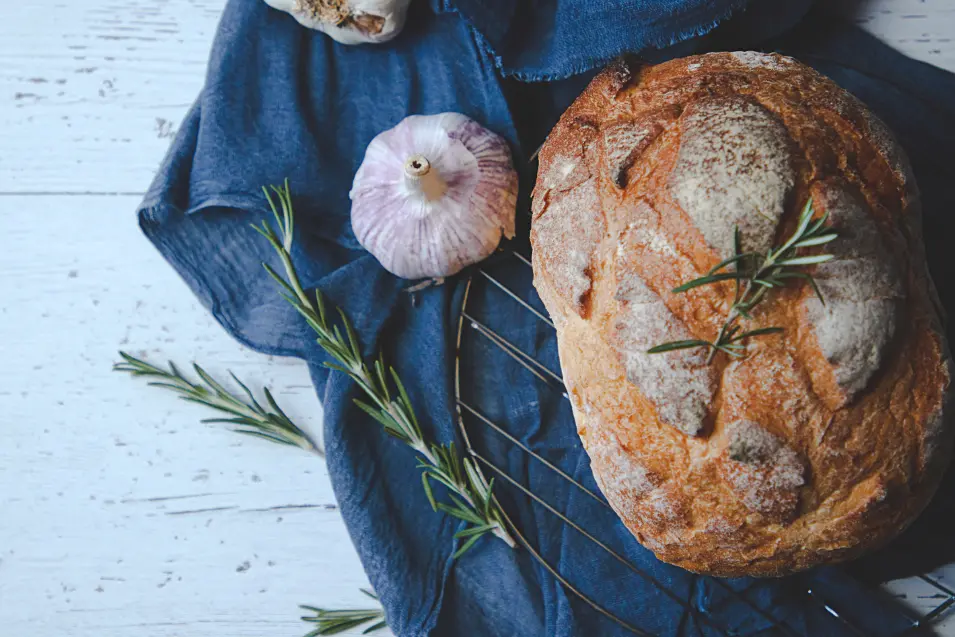
A crusty loaf on a wooden board is one of those things that makes a kitchen feel lived-in and welcoming. The trouble is that real bread doesn't stay pretty for long. That's where faux bread comes in. With a simple salt dough of flour, salt and water, you can shape loaves, rolls and braids that look fresh from the oven and last for years on a bread board, in a dough bowl or on an open shelf.
We love this project because the ingredients are probably already in your pantry, and the process feels a lot like real baking. The difference is that the dough is dried, not risen, and then painted and sealed so it holds up as decor. It's the kind of thing that sparks conversation when a guest reaches for a slice and realizes it's rock-hard.
Clear some counter space and follow the supplies and steps below. Most of the time is hands-off while the loaves dry in the oven.
What you'll need
Tap to check items off as you gather them.
How to make it
Mix the dough
Stir the flour and salt together, then add warm water a little at a time and knead for about 10 minutes until the dough is smooth and firm, not sticky.
Shape the loaves
Divide the dough and shape it into rounds, baguettes, a braid or rolls, keeping each piece no more than about 2 inches thick so it dries evenly.
Score and top
Make a few confident slashes across the tops with a sharp knife, brush lightly with water and press on oats or seeds if you want a topping.
Bake low and slow
Bake at around 250 to 275 degrees F for 3 to 6 hours depending on thickness, until the loaves sound hollow when tapped and feel completely hard.
Cool completely
Turn off the oven and let the loaves cool inside, then let them sit on a rack overnight so any remaining moisture escapes.
Add color
Brush watered-down raw sienna over the tops, deepen the scored edges and crust with a touch of burnt umber, and dry-brush a little white on the bottoms for a floury look.
Seal every surface
Apply two or three light coats of clear sealer outdoors, letting each dry, and be sure to coat the bottoms too so humidity can't soften the loaves.
Why Salt Dough Makes the Best Faux Bread
There are a few ways to make decorative loaves. Some folks bake and dry out real yeast bread, then seal it. That can look very realistic, but real bread contains oils and sugars that can attract pests, and it tends to crack or mold if it isn't dried perfectly. Others carve loaves from craft foam, which takes a steady hand and a lot of paint.
Salt dough sits in the sweet spot. The heavy salt content helps it dry hard and discourages spoilage, it holds scored lines and braids well, and it takes paint beautifully. It won't rise, so your loaves will be dense, but shaping them a little plumper than you'd shape real bread makes up for that.
A note on texture: salt dough bakes up with a slightly grainy, matte surface that reads as a rustic crust from across the room. Brushing the shaped loaves with a little water before baking smooths the surface, while dusting them with flour gives a more artisan, floury look. Experiment with one small roll first so you know how your oven and your dough behave before committing to a big loaf.
Finding the Right Bread Board and Display Pieces
Half the charm of faux bread is what you display it on. Keep an eye out at thrift stores, estate sales and flea markets for:
- Old wooden bread boards and cutting boards with handles and knife marks. Our cutting board decor post has ideas for grouping several boards.
- Dough bowls and wooden trenchers, which make a perfect cradle for a few loaves and rolls.
- Enamelware bread boxes with the lid propped open.
- Wire baskets and old bakery racks for a market look.
- Feed sack or flour sack towels to tuck underneath.
Since these loaves won't touch food you'll eat, a board with cracks or a few stains is perfectly fine. Just give it a good scrub and let it dry before styling.
Styling Ideas for a Farmhouse Kitchen
A single loaf on a board on the counter is classic, but there's plenty of room to play. A few arrangements we like:
- A long baguette and a round loaf crossed on a handled board, leaned against the backsplash with a vintage bread knife.
- A dough bowl filled with a braid and a few rolls, plus a sprig of dried wheat.
- Rolls in a wire basket on a tiered tray with small crocks and a jar of wooden spoons.
- A loaf under a glass cloche on the kitchen table for a bakery-window feel.
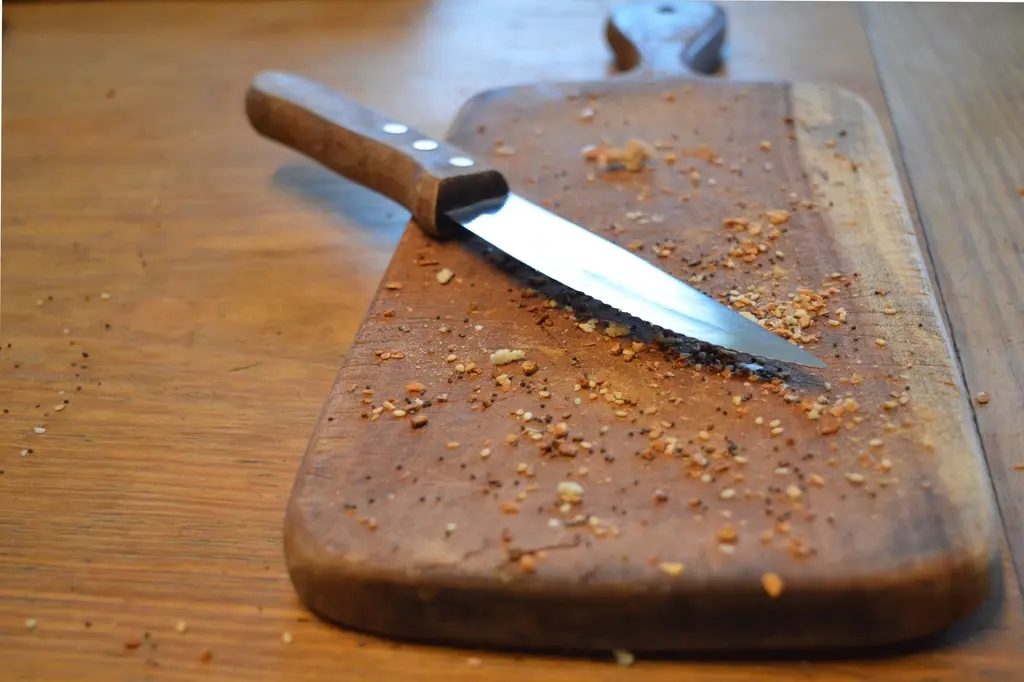
Faux bread pairs naturally with other vintage kitchen finds like old rolling pins, flour sifters and crocks. A spring board styled with eggs and greenery, like our spring cutting board decor, would look lovely with a small round loaf tucked in.
Variations to Try
- Braided loaf. Roll three ropes of dough and braid them like challah, tucking the ends under.
- Seeded rolls. Brush small rolls with water and press on poppy seeds, sesame seeds or oats before baking.
- Wheat stalk loaf. Snip a dough log with scissors at an angle to create the classic French epi, or wheat stalk, shape.
- Holiday bread. Shape a wreath-style ring and tuck in faux greenery and berries for Christmas.
- Mini loaves. Make little loaves to tie onto packages or hang as rustic ornaments.
Care, Storage and Safety Notes
Once sealed, faux bread just needs an occasional dusting with a soft brush. Keep it away from sinks, dishwashers and steamy stovetops; humidity is salt dough's enemy and can make it soft or sticky over time. If a loaf ever feels tacky, let it dry out and add another coat of sealer.
A few safety reminders are important here:
- Not food. Label or clearly display these loaves as decor, especially around guests and children. The sealer and paint make them inedible.
- Pets. Salt dough is dangerous for dogs and cats because of its very high salt content, and eating it can cause salt poisoning. Keep finished loaves, and raw dough while you work, out of reach, and call your veterinarian right away if a pet eats some.
- Sealer. Spray polyurethane and acrylic sealers should be applied outdoors or in a well-ventilated area, following the label directions.
- Hot oven. Use oven mitts and let loaves cool before handling; dense dough holds heat longer than you'd expect.
Looking for more kitchen projects? Browse the rest of our blog for vintage finds and farmhouse ideas.
Frequently asked questions
How long does faux bread last?
Well-dried and fully sealed salt dough can last for many years. Keeping it away from humidity and sealing every side, including the bottom, is what makes the biggest difference.
Why did my faux bread crack or puff up?
Cracks and bubbles usually come from baking too hot or from loaves that are too thick. Lower the temperature, bake longer, and shape large loaves over a foil core so the dough stays about an inch thick.
Can I use real bread instead of salt dough?
Some people dry and seal real bread, but it can attract pests or mold if any moisture remains. Salt dough is more reliable because the heavy salt content helps it dry hard and resist spoilage.
Is salt dough safe around pets?
No. Salt dough contains a lot of salt and can cause salt poisoning in dogs and cats if eaten. Keep it out of reach and contact your veterinarian promptly if a pet eats any.
Do I have to paint faux bread?
Not necessarily. Unpainted salt dough bakes to a pale, matte color that can look like unbaked or floured bread. A light wash of brown paint makes it look golden and freshly baked.